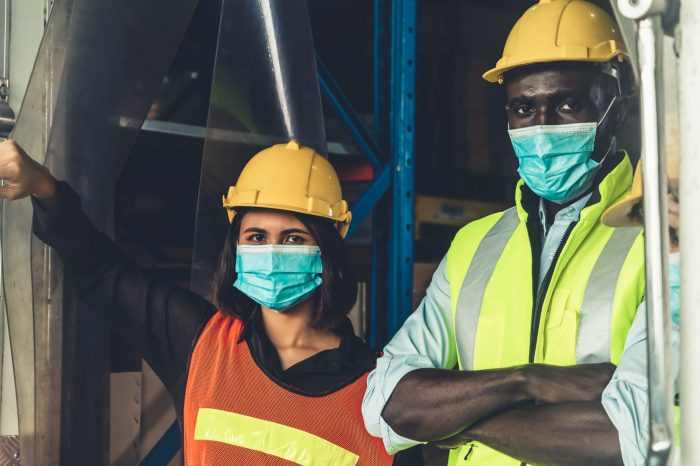
Post-pandemic commercial construction design has emerged as a fascinating intersection of innovation and necessity, reshaping how we envision and utilize our workspaces. As businesses adapt to the new normal, design trends have pivoted towards enhancing health and safety, embracing flexibility, and prioritizing sustainability.
The shift in architectural decisions reflects a proactive response to evolving workplace dynamics, where the focus on open, adaptable spaces not only supports employee well-being but also aligns with the increasing demand for environmentally responsible building practices.
Post-Pandemic Trends in Commercial Construction Design
The commercial construction landscape has undergone significant transformation in the wake of the pandemic. As organizations adapt to new realities, the design of commercial properties reflects a blend of innovation, safety, and flexibility. This shift is not merely cosmetic but impacts how spaces are utilized and experienced.
Emerging Design Trends
Several key design trends have emerged as a response to the pandemic, focusing on enhancing user experience and accommodating new working conditions. The integration of natural elements, increased open spaces, and advanced technology have become essential features.
- Biophilic Design: Incorporating natural elements like plants, natural lighting, and outdoor spaces promotes wellness and reduces stress among occupants.
- Adaptive Reuse: Utilizing existing structures for new purposes minimizes construction waste and accelerates project delivery, making it a sustainable choice.
- Smart Buildings: The use of technology, such as IoT devices, allows for better control of energy consumption, security, and overall building management.
Health and Safety Features
Health and safety considerations have become paramount in architectural decisions for new builds. These features are essential in creating environments where occupants feel secure and protected.
- Enhanced Ventilation Systems: Improved air filtration and ventilation systems are being integrated to reduce airborne pathogens and improve overall air quality.
- Touchless Technology: The installation of motion sensors and touchless entry points minimizes contact, thus reducing the spread of germs.
- Social Distancing Measures: Design layouts are being modified with wider corridors and strategically placed furniture to maintain safe distances among occupants.
Shift Towards Flexible Workspaces
The concept of flexible workspaces has gained traction, transforming the way commercial properties are designed. This shift acknowledges the changing dynamics of work, where remote and hybrid models are increasingly commonplace.
- Modular Spaces: The design of modular workspaces allows for quick reconfiguration to meet varying needs, accommodating different team sizes and activities.
- Collaborative Areas: Inclusion of collaboration zones facilitates teamwork and creativity, promoting interaction among employees.
- Hybrid Office Models: Offices are now designed to support both in-person and remote employees, featuring technology that fosters communication and collaboration.
The Role of Real Estate Agents in the Commercial Market
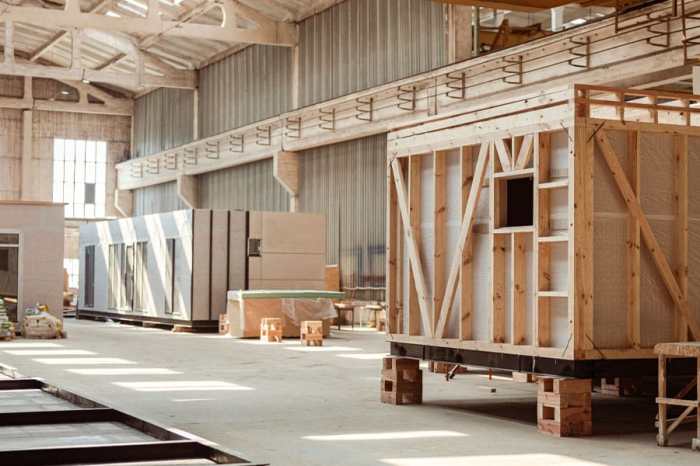
The commercial real estate market has undergone significant changes in the wake of the pandemic. Real estate agents play a crucial role in navigating these shifts and adapting their strategies to meet the evolving needs of buyers and tenants. Understanding these dynamics is critical for agents looking to thrive in this post-pandemic landscape.To capitalize on the changing demand for commercial properties, real estate agents have adopted innovative strategies that reflect current market conditions.
There has been a noticeable shift towards flexibility in property use and design, with many businesses rethinking their space requirements. Factors like remote work and hybrid business models have led to reduced demand for traditional office spaces while increasing interest in adaptable spaces that can serve multiple functions. Agents are now focusing on properties that offer this flexibility, positioning them as attractive investments.
Adapting Strategies for Selling Commercial Properties
The adaptation of sales strategies is essential in the current commercial market. Real estate agents are implementing several key approaches to effectively promote and sell commercial properties:
- Emphasizing Flexibility: Agents highlight properties that can be easily modified or repurposed to accommodate different business needs, such as co-working spaces or retail showrooms.
- Utilizing Virtual Tours: With in-person visits limited during the pandemic, virtual tours have become a standard practice. Agents create immersive online experiences that allow potential buyers to explore properties remotely.
- Focusing on Health and Safety Features: Properties with enhanced health protocols, such as improved HVAC systems and ample outdoor space, are being promoted as safer options for businesses.
- Leveraging Market Data: Agents are using up-to-date market analytics to inform clients about trends in demand and pricing, helping them make data-driven decisions.
Staging and Showcasing Commercial Spaces
The presentation of commercial properties has become more important than ever in attracting potential buyers and tenants. Staging and showcasing these spaces effectively can significantly impact interest and sales potential. By creating inviting and functional environments, agents can help prospective clients envision how they can utilize the space. This process often includes:
- Professional Staging: Utilizing professional staging services to arrange furniture and decor in a way that highlights the property’s best features and potential uses.
- Virtual Staging Solutions: Employing digital tools to virtually furnish and decorate spaces that are otherwise empty, allowing viewers to visualize the property’s possibilities.
- Highlighting Unique Features: Agents focus on unique architectural elements or amenities that can set a property apart in a competitive market, such as natural lighting or green spaces.
A well-staged commercial property can lead to faster sales and higher offers, as it enables potential buyers to connect emotionally with the space.
The role of real estate agents in the commercial market is pivotal as they adapt to the new normal by embracing flexibility, leveraging technology, and enhancing property presentation to meet the evolving demands of businesses.
Green Real Estate and Sustainable Building Practices
The commercial construction industry is undergoing a significant transformation as sustainability becomes a key priority. With increasing awareness of environmental issues, developers and investors are adopting green building practices that prioritize energy efficiency, resource conservation, and overall sustainability. These efforts not only address pressing ecological concerns but also enhance the long-term viability of commercial properties.Sustainable building practices encompass a range of strategies aimed at minimizing the environmental impact of construction activities.
These include using eco-friendly materials, optimizing energy efficiency, and incorporating renewable energy sources. The LEED (Leadership in Energy and Environmental Design) certification is a well-known benchmark that many developers strive for, as it signifies adherence to various sustainability standards. By integrating features such as green roofs, advanced insulation, and water-saving fixtures, commercial buildings can significantly reduce their carbon footprints and operational costs.
Impact of Environmentally Friendly Designs on Property Values
Investors and buyers are increasingly recognizing the value of environmentally friendly designs in commercial real estate. This shift in perspective has led to a notable increase in property values for buildings certified as green.Several factors contribute to the growing interest in sustainable properties:
- Higher Demand: As companies prioritize sustainability in their operational strategies, they are more inclined to lease or purchase green buildings. This heightened demand drives property values upward.
- Operational Savings: Sustainable buildings often lead to lower utility costs due to energy-efficient designs, making them more attractive investments in the long run.
- Market Differentiation: Green certifications can help properties stand out in a crowded market, appealing to environmentally conscious tenants and buyers.
“Sustainability is no longer just a trend; it’s a fundamental requirement in commercial real estate.”
Comparison of Traditional vs. Green Commercial Construction Methods
Understanding the differences between traditional and green construction methods is crucial for stakeholders in the commercial construction industry. While both approaches aim to create functional and appealing structures, they diverge significantly in their methods and impacts.The traditional construction approach primarily focuses on cost and efficiency, often overlooking environmental consequences. In contrast, green construction adopts a holistic view, emphasizing sustainability at every stage of the building process.Key differences include:
| Aspect | Traditional Construction | Green Construction |
|---|---|---|
| Materials Used | Conventional materials often with high environmental impact | Recycled, renewable, and eco-friendly materials |
| Energy Efficiency | Standard energy consumption, potential waste | Incorporates renewable energy sources and efficient systems |
| Water Usage | Less focus on water conservation methods | Utilizes water-saving fixtures and rainwater harvesting systems |
| Long-term Value | May incur higher operational costs over time | Lower operational costs lead to increased long-term value |
While green construction may require higher upfront investments, the long-term benefits, including enhanced property values and reduced operating costs, make it a compelling option for commercial developers. The transition to sustainable practices is not just a trend; it represents a responsible approach to building for the future.
Ending Remarks
In summary, the landscape of commercial construction design has been irrevocably altered by the pandemic, encouraging a creative blend of health-conscious and sustainable practices. As we move forward, understanding these trends will be essential for stakeholders in the industry to thrive and create spaces that are not only functional but also reflective of the values of today’s society.
Q&A
What are the key trends in post-pandemic commercial construction design?
Key trends include increased focus on health and safety features, flexible workspaces, and sustainable building practices.
How have real estate strategies changed post-pandemic?
Real estate agents are adapting by emphasizing the importance of showcasing health-oriented features and flexible layouts to meet evolving demand.
What is the impact of sustainable practices on property value?
Sustainable building practices generally enhance property values as buyers increasingly seek environmentally responsible options.
How are flexible workspaces influencing design?
Flexible workspaces promote collaboration and adaptability, leading to designs that emphasize open areas and movable partitions.
Why is health and safety a priority in new builds?
Health and safety have become critical due to heightened awareness of hygiene and well-being, prompting architects to incorporate features that ensure safer environments.


