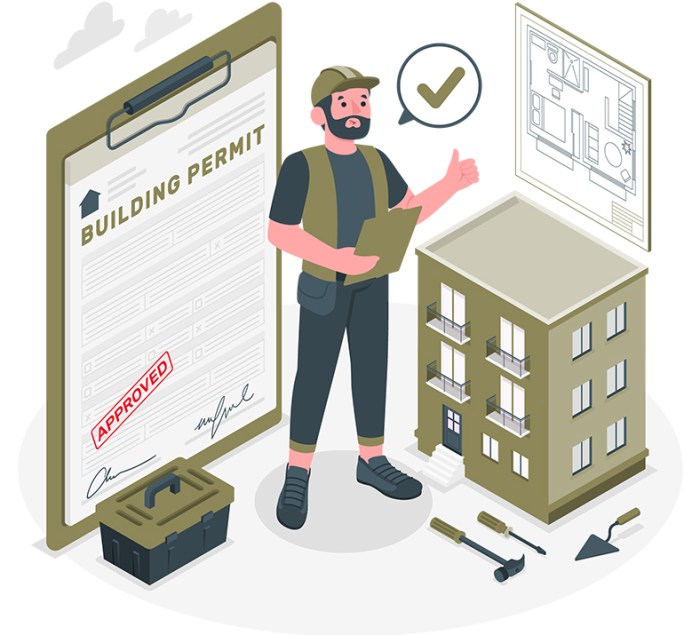
Commercial building permits and regulations sets the stage for this enthralling narrative, offering readers a glimpse into a story that is rich in detail and brimming with originality from the outset.
These permits are crucial for any commercial construction project, ensuring that developments meet safety standards and comply with local laws. Understanding the types of permits required, as well as the regulations that govern them, can significantly impact the success of a project and its adherence to urban planning objectives.
Understanding Commercial Building Permits
Acquiring commercial building permits is a pivotal step in the construction process for any business project. These permits not only ensure that your building complies with local standards but also help protect the safety and welfare of the public. The process can be intricate, involving several steps and types of permits depending on the nature of the project.The process for obtaining commercial building permits typically begins with submitting detailed plans and drawings to the local building authority.
This includes architectural designs, engineering specifications, and site plans that illustrate how the building will fit within its surroundings. After submission, the building department reviews the documents, which may lead to required modifications or additional information requests. Once approved, a permit is issued, allowing construction to commence legally. Throughout the build, inspections will be conducted at various stages to ensure compliance with the approved designs and safety regulations.
Types of Commercial Building Permits
Different commercial projects require specific types of permits based on their scope and nature. Understanding these categories is crucial for compliance and successful project completion. The primary types of commercial building permits include:
- New Construction Permits: Required for any new buildings being erected, these permits cover everything from foundations to roofing.
- Renovation Permits: If you are modifying an existing structure, whether through expansion or significant changes, this permit is necessary.
- Demolition Permits: Required before tearing down any existing buildings or structures, ensuring that safety measures are in place.
- Occupancy Permits: These are needed before a building can be occupied, confirming that it is safe for use and meets all applicable codes.
- Signage Permits: If your project involves installing new signage, this permit is essential to ensure compliance with local zoning laws.
Compliance with local building regulations is paramount for any commercial project. Adhering to these laws not only facilitates the construction process but also helps avoid legal complications and ensures the safety of occupants and the surrounding community. Violating these regulations can lead to fines, delays, or even the revocation of permits.
“Compliance with building regulations safeguards public health, safety, and welfare during the construction phase and beyond.”
Ensuring all required permits are obtained and regulations are followed is a decisive factor in the successful execution of commercial building projects, ultimately contributing to the long-term viability of the business.
Regulations Impacting Commercial Construction
In the realm of commercial property development, adhering to various regulations is essential for ensuring safety, legality, and overall project viability. These regulations encompass a wide range of factors, including zoning laws, building codes, and health and safety standards. Understanding these elements not only helps in complying with legal requirements but also plays a crucial role in the successful completion of any commercial construction project.
Key Regulations Affecting Commercial Property Development
Various regulations impact commercial construction projects, serving as the framework for design, safety, and operation. Some of the most critical regulations include:
- Building Codes: These codes dictate the standards for construction and design, ensuring safety and quality in buildings. They cover aspects such as structural integrity, fire safety, electrical systems, and plumbing.
- Environmental Regulations: Regulations to protect the environment must be adhered to, which can include assessments for pollution control, waste management, and sustainable building practices.
- Accessibility Standards: Compliance with laws such as the Americans with Disabilities Act (ADA) is necessary to ensure that commercial spaces are accessible to all individuals, regardless of their physical abilities.
Role of Zoning Laws in Commercial Building Projects
Zoning laws significantly influence the planning and development of commercial properties. They determine how land can be used and what types of buildings can be constructed in certain areas. The importance of zoning laws can be summarized by the following points:
- Land Use Designation: Zoning categorizes land into different use types, such as residential, commercial, industrial, or agricultural, thereby guiding developers on permissible activities.
- Building Heights and Setbacks: Regulations often stipulate maximum building heights and minimum setback requirements from property lines, affecting the design and layout of commercial structures.
- Density Restrictions: These laws control the density of development in a given area, influencing the number of units or square footage allowed on a specific parcel of land.
Health and Safety Regulations During Construction
Health and safety regulations are paramount in the construction industry to protect workers, the public, and the environment. These regulations cover a wide array of practices and protocols that must be followed to ensure a safe working environment. Key points include:
- OSHA Standards: The Occupational Safety and Health Administration (OSHA) sets forth regulations that must be followed to ensure worker safety on construction sites, including requirements for personal protective equipment (PPE), fall protection, and hazard communication.
- Site Safety Plans: Commercial construction projects often require the development of a comprehensive safety plan that Artikels procedures for managing risks, conducting safety training, and responding to emergencies.
- Inspections and Compliance: Regular inspections by regulatory bodies ensure compliance with safety standards, helping to prevent accidents and injuries during construction.
“Adhering to health and safety regulations not only protects workers but also minimizes liability for construction companies, ensuring a smoother project execution.”
The Role of Real Estate Professionals in Commercial Development
Real estate professionals play a pivotal role in the landscape of commercial development, especially when it comes to navigating the complexities of building permits and regulations. Their expertise not only streamlines the process but also ensures compliance with the local laws governing commercial construction. Understanding their contributions can significantly impact both developers and investors in making informed decisions.Real estate agents serve as valuable guides in the often convoluted journey of obtaining building permits.
They are well-versed in the local zoning laws and regulations, enabling them to provide essential insights that can save time and resources. By leveraging their experience, they assist clients in preparing the necessary documentation, submitting applications, and communicating effectively with local authorities. This support is crucial because the permit process can be lengthy and filled with potential hurdles.
Importance of Realtors in Property Compliance
Identifying suitable properties that comply with regulations is another critical area where realtors excel. A good real estate agent has an extensive understanding of the current market and knows which properties meet the requisite zoning and environmental standards. This knowledge can prevent costly mistakes and ensure that the chosen site aligns with the client’s development goals. The importance of compliance is underscored by several key factors:
- Risk Mitigation: Properties that are not compliant with local regulations are vulnerable to fines, delays, or even halting of projects. Realtors help clients avoid these risks through thorough due diligence.
- Marketability: Properties that adhere to zoning laws are generally more marketable, which can enhance the potential return on investment. Realtors with a keen eye for compliance can guide clients toward more lucrative opportunities.
- Long-term Success: A property that meets all regulatory requirements is likely to ensure smoother operations in the future, offering peace of mind to developers and investors alike.
Influence of Commercial Building Permits on Investment Strategies
The strategies employed in real estate investing can be significantly influenced by the landscape of commercial building permits and regulations. An understanding of these permits can affect everything from site selection to development timelines and budget allocations. Several aspects illustrate how these regulations inform investment strategies:
- Feasibility Analysis: Investors need to factor in the likelihood of obtaining necessary permits when analyzing the feasibility of a project. A site that appears promising may not be viable if permits are difficult to secure.
- Strategic Planning: Knowledge of local regulations allows investors to strategically plan their projects. For example, if certain areas are more lenient in terms of zoning, they may prioritize those locations for development.
- Cost Management: Understanding the intricacies of building permits can influence the budget. Compliance costs can be significant, and investors must account for these when determining financial projections.
“The right guidance from real estate professionals can turn regulatory hurdles into stepping stones for commercial development success.”
In summary, real estate professionals are indispensable allies in commercial development. Their ability to navigate building permit processes, ensure property compliance, and influence investment strategies plays a vital role in the success of any commercial project.
Summary
In conclusion, navigating the world of commercial building permits and regulations is essential for any developer or investor. Understanding the intricacies of the permit process, adhering to vital regulations, and collaborating with real estate professionals can pave the way for successful projects that contribute positively to the community.
Quick FAQs
What are the common types of commercial building permits?
Common types include building permits, electrical permits, plumbing permits, and occupancy permits, each serving different aspects of construction compliance.
How long does it typically take to obtain a commercial building permit?
The timeline can vary significantly depending on the local jurisdiction and the complexity of the project, ranging from a few weeks to several months.
Can I start construction before receiving my building permit?
No, starting construction without a permit can result in fines, delays, or even the halting of the project altogether.
Are there any penalties for non-compliance with building regulations?
Yes, penalties can include fines, mandatory compliance orders, or even legal action if regulations are not followed.
How can real estate professionals help with the permit process?
Real estate professionals can provide guidance on navigating the permit process, help identify properties that meet regulatory standards, and advise on investment strategies related to commercial development.


