How to subdivide land for profit takes center stage as a savvy investment strategy that can lead to substantial financial returns. In this exploration, we delve into the intricacies of land subdivision, highlighting the essential processes, regulations, and marketing strategies that come into play. Understanding the nuances of zoning laws and the necessary permits is crucial for anyone looking to embark on this profitable venture.
From marketing techniques that attract potential buyers to financial considerations that ensure a lucrative outcome, this guide equips you with the knowledge needed to navigate the world of land subdivision. With the right approach, subdividing land can transform a simple plot into a lucrative opportunity, making it an enticing prospect for property investors.
Understanding Land Subdivision
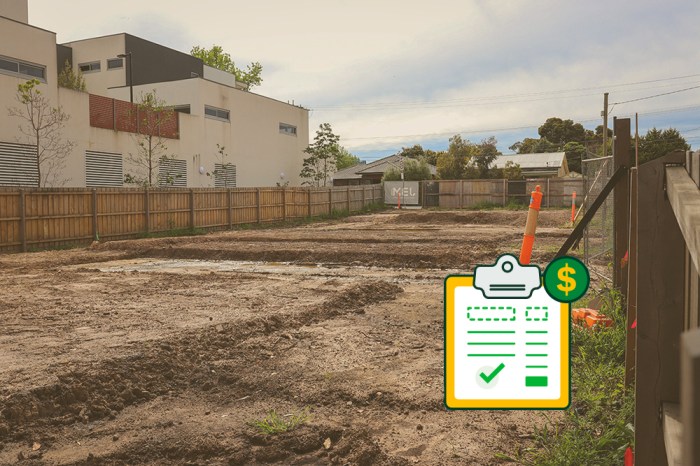
Land subdivision is a significant process for developers and investors aiming to maximize the potential of a property. By dividing a larger tract of land into smaller parcels, opportunities for selling or developing those parcels can arise, leading to substantial profits. However, navigating the complexities of land subdivision requires an understanding of various factors, including zoning laws, regulations, and the necessary permits.The process of land subdivision typically begins with assessing the land’s characteristics and the local market demand.
Investors need to consider how the layout of the land will accommodate residential, commercial, or mixed-use development. Additionally, understanding the local economy and demographic trends will provide insight into the best use of subdivided land. Engaging with property surveyors and urban planners can provide essential guidance through the subdivision process.
Zoning Laws and Regulations
Zoning laws dictate how land can be used and are critical to the subdivision process. These laws vary significantly from one municipality to another, impacting every aspect of development. Understanding zoning classifications is essential for successful subdivision and can influence the profitability of the project.Zoning laws typically categorize land into residential, commercial, industrial, or agricultural uses. Each category has specific regulations that dictate what can be built, how it can be used, and the density of development allowed.
Here are some key elements of zoning laws to consider:
- Setback Requirements: These regulations determine how far structures must be from property lines, ensuring adequate space between buildings and roads.
- Lot Size Minimums: Many zoning codes specify the minimum lot size for subdivisions, which can affect how many parcels can be created from a larger tract.
- Land Use Restrictions: Some areas may have restrictions on the type of buildings that can be constructed or the industries that can operate, impacting the feasibility of certain developments.
Understanding these regulations ensures compliance and helps avoid costly delays or legal challenges.
Necessary Permits and Approvals
Before commencing the subdivision process, obtaining the necessary permits and approvals is crucial. This often involves a series of steps that require significant documentation and adherence to local regulations. Critical permits and approvals typically include:
- Subdivision Approval: Local planning departments review subdivision proposals to ensure they align with zoning laws and community planning objectives.
- Environmental Assessments: Depending on the land’s location and intended use, an environmental impact assessment may be required to evaluate potential effects on local ecosystems.
- Building Permits: Once the subdivision is approved, each parcel will require specific building permits before construction can begin.
Navigating these permits is often a complex process that may require collaboration with local government agencies and possibly public hearings.
“Successful land subdivision not only relies on understanding the regulations but also on anticipating market demand and community needs.”
Marketing and Selling Subdivided Land
When it comes to maximizing profits from subdivided land, effective marketing and selling strategies are essential. This phase not only involves presenting the land in an appealing manner but also understanding the target audience and utilizing the right channels to reach potential buyers. A well-executed marketing plan can significantly enhance the visibility and desirability of the subdivided properties.
Marketing Strategies for Subdivided Land
Creating a strong marketing strategy for subdivided land is crucial for attracting buyers and ensuring quick sales. The following tactics can help in making the land stand out in a competitive market:
- Online Listings: Utilize real estate websites and social media platforms to showcase the subdivided land. High-quality photos and detailed descriptions can draw in potential buyers.
- Targeted Advertising: Use geo-targeted ads on platforms like Facebook and Google to reach individuals looking for land in specific areas. This ensures that your advertisements are seen by those most likely to purchase.
- Networking: Engage with local real estate groups, attend property expos, and connect with other investors. Networking can help spread the word and create interest in the properties.
- Signage: Placing visible signs on the property can attract the attention of passersby. Ensure signs are professionally designed and include contact information.
- Virtual Tours: Offering virtual tours of the land can enhance the buyer’s experience, especially for remote buyers who cannot visit the site in person.
Role of Real Estate Agents in Selling Subdivided Properties
Real estate agents play a pivotal role in the selling process of subdivided land. Their expertise can streamline the sale and maximize potential profits.
- Market Knowledge: Real estate agents possess in-depth knowledge of the local market and can provide valuable insights into pricing strategies based on comparable properties.
- Negotiation Skills: Skilled agents can effectively negotiate terms and conditions that are favorable to the seller, ensuring the highest return on investment.
- Legal Expertise: Agents are familiar with the legal aspects of land sales, including zoning laws and property disclosures, which can help avoid potential pitfalls during the process.
- Marketing Reach: Established agents have access to broader marketing networks, enabling greater exposure for the subdivided land.
- Time-Saving: Delegating the selling process to agents allows sellers to focus on other investment opportunities, as agents handle inquiries and showings.
Importance of Staging Land for Potential Buyers
Staging subdivided land effectively can significantly impact the buyer’s perception and interest. The right presentation can help buyers visualize the potential of the land.
- Land Preparation: Clear any debris, mow the lawn, and ensure the land is easily accessible for showings. A clean and well-maintained appearance makes a positive impression.
- Visual Aids: Use maps or digital renderings to illustrate the potential layout and uses of the land. This can help buyers envision the possibilities.
- Highlighting Features: Emphasize unique features of the land, such as views, proximity to amenities, or natural resources available. Make buyers aware of what sets the property apart.
- Community Information: Provide information about the local community, including schools, shopping areas, and recreational facilities. Buyers often consider the surrounding environment when making a decision.
- Land Usage Options: Present different potential uses for the land, whether it be residential, commercial, or agricultural. This can attract a wider range of buyers looking for investment opportunities.
Financial Aspects of Land Subdivision
Understanding the financial aspects of land subdivision is crucial for anyone looking to profit from property development. The process involves various costs, potential profit margins, and financing options which can significantly influence the overall success of a land subdivision project. By examining these financial components, investors can make informed decisions to maximize their returns.
Costs Involved in Subdividing Land
The expenses associated with subdividing land can vary widely based on location, zoning regulations, and the scale of the project. Key costs to consider include:
- Surveying and Engineering Fees: Professional services are necessary for land surveys and engineering plans, typically costing several thousand dollars.
- Zoning and Permitting Costs: Fees for obtaining the necessary permits can accumulate, particularly in urban areas where regulations are stricter.
- Infrastructure Development: Expenses for building roads, utilities, and drainage systems can be substantial. This may include connection fees from utility companies.
- Marketing and Sales Expenses: Promoting subdivided lots requires marketing strategies which may involve advertising costs, signage, and real estate agent commissions.
- Legal Fees: Consulting with land use attorneys to navigate local laws can add significant costs to the budget.
The potential profit margins from subdividing land can be attractive, often ranging from 15% to 30% or more, depending on the location and market demand. For example, a lot purchased for $100,000 may yield $130,000 to $150,000 after subdivision and sale, demonstrating the financial viability of this investment approach.
Financing Options for Land Development
Financing a land subdivision project can be achieved through various avenues, each with its unique advantages and considerations. Understanding these options can help investors choose the best path for their projects.
- Traditional Bank Loans: Standard mortgages or construction loans are often used, but they require a solid credit history and down payment.
- Hard Money Loans: These short-term loans provided by private investors or companies can be secured quickly but come with higher interest rates.
- Partnerships or Joint Ventures: Collaborating with other investors can provide needed capital without taking on all financial risk alone.
- Equity Financing: Selling shares of the project to investors can provide funds while allowing them to share in the profits.
- Government Grants and Loans: Various programs may offer financial assistance for development, particularly in areas targeted for growth.
Each financing option has its pros and cons, and it is essential for investors to assess their financial situation and project goals before committing to a specific type of funding.
Commercial vs. Residential Land Subdivision
Investing in commercial properties and subdividing residential land both offer unique opportunities for profit. Understanding the differences between these two approaches can aid investors in making informed choices.
- Market Demand: Commercial properties typically have higher demand in bustling urban centers, while residential subdivisions are often sought in suburban or developing areas.
- Return on Investment (ROI): Commercial properties may yield higher rental income and longer lease terms, while residential subdivisions can provide quicker sales and cash flow.
- Regulatory Environment: Residential subdivisions often face stricter zoning laws and community opposition, whereas commercial developments might navigate different regulatory landscapes.
- Development Duration: Residential projects can be completed relatively quickly, while commercial developments may take longer due to extensive planning and construction requirements.
- Risk Levels: Both types of investments carry risks but differ in volatility and market sensitivity. Commercial markets may be more susceptible to economic downturns.
Ultimately, the choice between commercial property investments and residential land subdivision depends on the investor’s goals, risk tolerance, and market conditions. Analyzing these factors will help determine the best strategy for maximizing profit in land development.
Wrap-Up
In conclusion, the journey of subdividing land for profit is filled with both challenges and rewards. By mastering the necessary steps, from understanding zoning laws to effectively marketing your subdivided properties, you can position yourself for success in the real estate market. As you consider your options, remember that with careful planning and execution, subdividing land can be a fulfilling and profitable endeavor.
FAQ Compilation
What are the first steps in subdividing land?
The first steps include researching local zoning laws, determining the best use for your land, and consulting with local authorities regarding the subdivision process.
How do I determine the value of subdivided land?
The value can be determined by analyzing market trends, evaluating comparable sales in the area, and assessing the demand for subdivided lots.
What types of financing are available for land subdivision?
Options include traditional bank loans, private lenders, and investment partners who may be interested in financing the project.
How long does the subdivision process typically take?
The timeline can vary widely depending on local regulations, but it typically takes several months to a year from application to final approval.
Do I need a real estate agent to sell subdivided land?
While not mandatory, a real estate agent can provide valuable expertise in marketing and selling subdivided properties effectively.