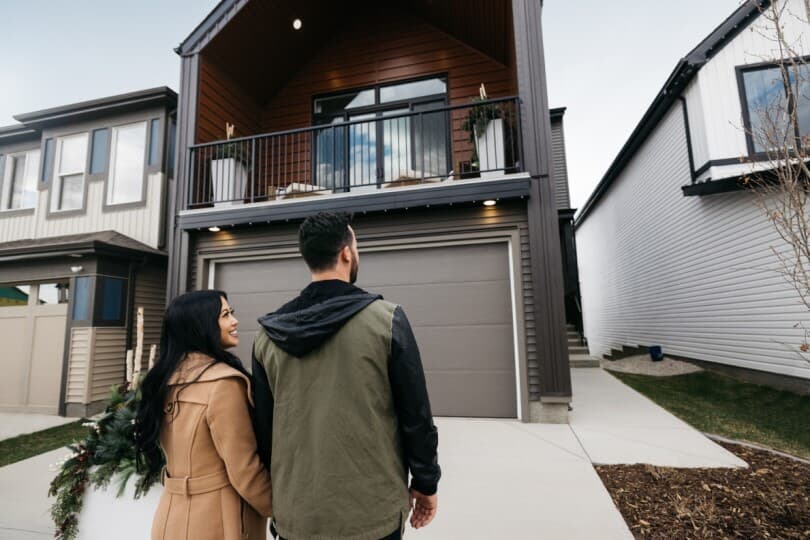
What to look for when touring a home can significantly impact your decision-making process. It’s not just about finding a house; it’s about discovering a place where you can build your future. Each home has its unique charm, and recognizing the key features can make all the difference in your buying journey.
As you step inside potential homes, pay attention to crucial aspects like layout, space, and the flow of natural light. Consider the design of the kitchen and the amenities in the bathrooms, as these can greatly influence your day-to-day living experience. Additionally, don’t overlook the neighborhood’s characteristics, such as the quality of local schools and nearby parks, which contribute significantly to your quality of life.
Key Features to Evaluate When Touring a Home
When touring a home, it’s essential to keep an eye out for key features that can significantly impact your living experience. From the overall layout to the amount of natural light, these components can make a home feel welcoming or cramped. Evaluating these features not only helps in determining the practicality of the space but also aligns with personal preferences that suit your lifestyle.The layout and design of a home should cater to your daily routines, and aspects like kitchen and bathroom designs play a pivotal role in this regard.
Furthermore, the neighborhood characteristics can greatly influence your decision, as they affect convenience, lifestyle, and family needs. It’s not just about the house itself; it’s also about how it fits into your life and the community around it.
Layout and Space Utilization
The way a home is laid out can significantly affect how comfortable you feel in it. Important aspects to consider include room sizes, flow between spaces, and overall functionality.
- Open Concept vs. Traditional Layout: Open-concept designs are popular for their ability to create a sense of unity in social spaces, while traditional layouts offer defined areas for specific functions.
- Room Sizes: Ensure the rooms are spacious enough to accommodate your furniture and lifestyle. Bedrooms should feel comfortable, while living areas should allow for social interaction.
- Storage Solutions: Sufficient built-in storage is crucial to maintain organization; consider closets, cabinets, and basement or attic space.
Kitchen Design and Features
The kitchen is often considered the heart of the home, making its design and functionality incredibly important. Evaluating the kitchen involves looking at several key elements.
- Layout: A well-designed kitchen should facilitate movement between cooking, cleaning, and dining areas. The classic work triangle between the stove, sink, and refrigerator remains a useful guideline.
- Appliances: Check for high-quality, energy-efficient appliances that can save you money over time and enhance your cooking experience.
- Counter Space and Storage: Ample counter space makes food preparation easier, and sufficient cabinets help keep the area organized.
Bathroom Amenities and Features
Bathrooms are another area where comfort and functionality matter. The features you choose can impact daily routines and overall satisfaction with the home.
- Shower and Tub Options: Evaluate whether there is a separate shower and tub, as this can enhance relaxation and convenience.
- Ventilation: Good ventilation is essential to prevent moisture issues; check for windows or exhaust fans.
- Fixtures and Finishes: Quality faucets, sinks, and finishes can affect both aesthetics and functionality, adding to the home’s overall appeal.
Neighborhood Characteristics
The surrounding neighborhood is just as vital as the home itself. Understanding the community can provide insights into whether it’s the right fit for you.
- Schools and Education: Proximity to reputable schools is often a priority for families. Researching school ratings and nearby educational facilities is advisable.
- Parks and Recreation: Access to parks and recreational areas can enhance the quality of life, offering spaces for outdoor activities and social gatherings.
- Local Amenities: Consider the availability of shopping centers, restaurants, and public transport options to ensure convenience and a vibrant lifestyle.
Engaging with Real Estate Agents and Realtors
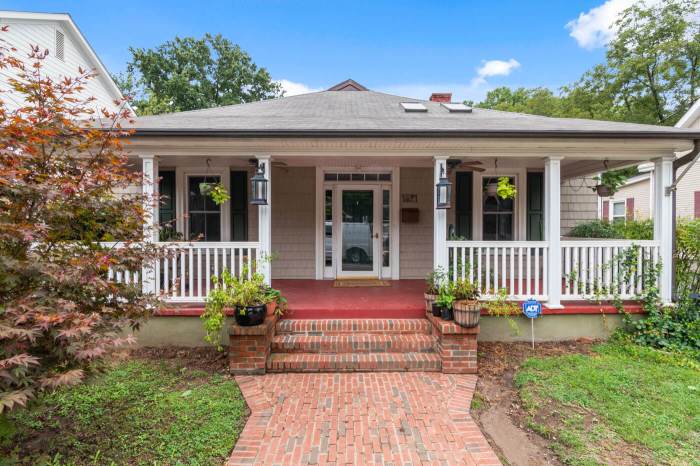
When navigating the home-buying process, effective communication with real estate agents and realtors is essential. These professionals serve as invaluable resources, aiding in the identification of properties that align with your needs and preferences. Establishing a clear dialogue allows you to maximize the benefits of their expertise while ensuring that your home search is as productive as possible.Realtors play a pivotal role in the home touring process by interpreting your requirements and presenting options that may not be immediately apparent.
They possess knowledge of the local market, including trends, pricing, and neighborhood dynamics. Engaging with them in a meaningful way enhances your chances of finding the right home while providing you with insights that may influence your decision-making.
Communicating Your Needs and Preferences
Clearly articulating your needs and preferences to your real estate agent is vital for a successful home search. Consider the following points when preparing for discussions:
- Define your must-haves: Create a list of essential features, such as the number of bedrooms, bathrooms, and any specific amenities that are non-negotiable.
- Establish a budget: Share your financial limits to ensure that the properties presented to you fall within your price range and avoid any unnecessary disappointments.
- Discuss lifestyle considerations: Talk about your lifestyle preferences, including proximity to work, schools, or recreational facilities, which can significantly influence your satisfaction with a property.
- Be open to suggestions: While it’s important to have specific criteria, be receptive to the realtor’s recommendations based on their understanding of the market and what you may not have considered.
Questions to Clarify Property Details
Having a list of targeted questions can help you gather crucial information about potential homes during tours. Here are some essential inquiries to consider:
- What is the age of the home? Knowing the age can give insights into potential repairs or upgrades needed in the future.
- What are the average utility costs? Understanding the typical expenses can help you budget more effectively post-purchase.
- How long has the property been on the market? This can indicate the level of demand and whether there is room for negotiation on price.
- Are there any upcoming assessments or community changes planned? Awareness of potential future costs or changes can influence your decision regarding a property.
Effective communication with real estate agents transforms the home-buying experience from overwhelming to manageable, paving the way for informed and confident decisions.
Considerations for Special Property Types
When touring homes, it’s essential to understand that different types of properties come with their unique features and considerations. Whether you’re looking at condominiums, single-family homes, new construction, or even commercial properties, each category demands a specific evaluation approach. Being aware of these differences can significantly influence your decision-making process and ultimately lead to a more satisfying purchase.
Touring Condominiums versus Single-Family Homes
Evaluating condominiums and single-family homes involves understanding their distinct characteristics. Condominiums often come with shared amenities and common areas, which necessitate an examination of the homeowners’ association (HOA) rules, fees, and the overall management of the building.
- HOA Regulations: Review the rules and restrictions imposed by the HOA, including pet policies, noise regulations, and renovation approvals.
- Shared Amenities: Assess the quality and maintenance of shared amenities such as gyms, pools, and outdoor spaces.
- Location and Community: Consider the surrounding community, as condominiums may be situated in urban areas with access to public transport, shopping, and entertainment.
On the other hand, when touring single-family homes, focus on the property’s structure and outdoor space, including:
- Yard and Landscaping: Evaluate the size and condition of the yard, along with any landscaping features that may require upkeep.
- Privacy: Consider the level of privacy offered, as single-family homes typically offer more seclusion than condominiums.
- Future Expansion: Look for potential opportunities to expand or renovate, as single-family homes generally provide more flexibility in this area.
New Construction Homes versus Existing Properties
The touring process for new construction homes differs significantly from that of existing properties. New constructions often come with modern amenities and systems, but they also require careful scrutiny.
- Building Quality: Inspect the construction for quality finishes, materials, and craftsmanship; ensure that it meets local building codes and standards.
- Warranty Information: Inquire about warranties covering structural elements and appliances, as new homes typically include builder warranties.
- Customization Options: Assess the possibility of customizing interior finishes and layouts to ensure the home meets your needs.
Conversely, existing properties may present unique charm but can also have issues that need addressing:
- Condition of Systems: Check the age and condition of critical systems such as HVAC, plumbing, and electrical to avoid unexpected expenses.
- Home Inspection: Always obtain a professional home inspection to identify potential repairs or renovations that may be required.
- Historical Elements: Consider any historical aspects of the property that may impact renovations or maintenance.
Assessing Commercial Properties and Green Real Estate
When evaluating commercial properties, there are specific factors to consider that differ vastly from residential homes. One of the primary aspects is understanding the zoning laws applicable to the property.
- Zoning Compliance: Verify that the property complies with local zoning laws for the intended business use, as violations can lead to costly fines.
- Traffic Patterns: Analyze the location’s traffic patterns for visibility and accessibility, which are crucial for a commercial establishment’s success.
- Lease Structures: Understand the type of lease agreements in place, whether gross, net, or percentage leases, as they differ significantly in long-term costs.
For green real estate, unique considerations include energy efficiency ratings, sustainable materials used in construction, and the property’s overall environmental impact:
- Energy Efficiency: Look for properties with energy-efficient appliances, windows, and insulation to reduce long-term energy costs.
- Certifications: Check for certifications such as LEED (Leadership in Energy and Environmental Design), which indicates a commitment to sustainability.
- Environmental Impact: Evaluate the property’s landscaping and building practices to ensure minimal environmental disruption and responsible resource use.
Summary
In conclusion, understanding what to look for when touring a home empowers you to make informed decisions. With the right insights, you can assess not only the property itself but also the environment surrounding it. So, take your time, explore every corner, and trust your instincts as you embark on this exciting journey of finding your new home.
FAQs
What should I focus on during a home tour?
Focus on the layout, natural light, room sizes, and overall condition of the property.
How can I prepare questions for real estate agents?
Make a list of specific features you want to know about, such as recent renovations, utilities, and neighborhood amenities.
What are common red flags to look for?
Look for signs of water damage, poor insulation, and unusual odors, which may indicate larger issues.
Is it important to visit the neighborhood at different times?
Yes, visiting at various times can give you a sense of noise levels, traffic, and overall community vibe.
How do new constructions differ from existing homes during tours?
New constructions often have customizable features, while existing homes may have character and established landscaping, but could require renovations.


