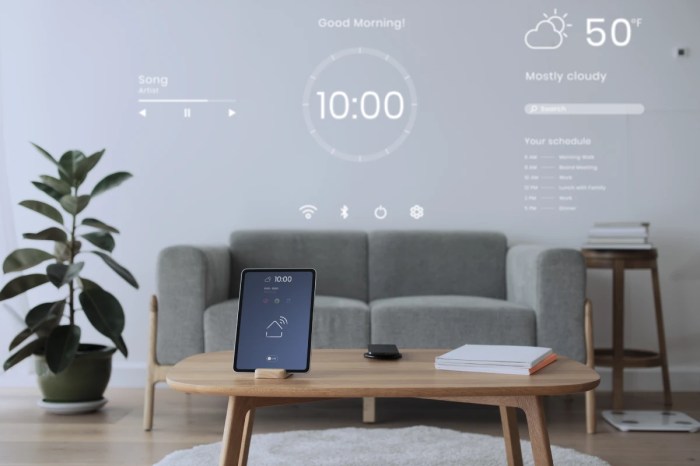
Smart home technology in real estate is reshaping how we perceive and interact with our living spaces. From automated lighting to advanced security systems, the integration of smart technology has become a game changer for homebuyers and sellers alike. This evolution not only enhances convenience but also significantly impacts property values, making homes more attractive in a competitive market.
As technology continues to advance, homebuyers are increasingly seeking properties equipped with smart features, while sellers can leverage these enhancements to stand out. This intersection of real estate and technology opens up new avenues for agents, buyers, and builders, all aiming for a more efficient and sustainable future in housing.
Smart Home Technology Overview
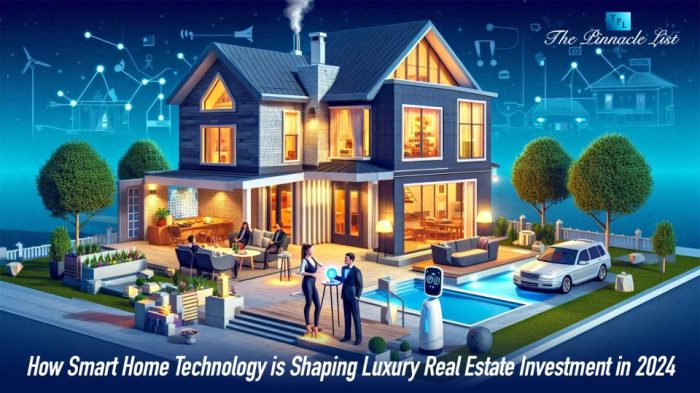
Smart home technology is revolutionizing the real estate landscape by integrating advanced systems into residential properties. This innovation not only enhances the modern living experience but also offers significant advantages to both buyers and sellers in this increasingly tech-savvy market.The role of smart home technology encompasses a variety of automated systems designed to improve convenience, energy efficiency, and security. From smart thermostats and lighting to comprehensive security systems, these technologies allow homeowners to control their environments with ease.
The integration of such systems not only appeals to the modern buyer but also plays a crucial role in the sales process, as properties equipped with smart technology often yield a higher market value.
Benefits of Smart Home Integration
The integration of smart home technology provides numerous benefits that can enhance the appeal of a property for prospective buyers while also benefiting sellers. Understanding these advantages is crucial for anyone involved in real estate transactions today.
- Enhanced Security: Smart home systems include features such as surveillance cameras, doorbell cameras, and smart locks, allowing homeowners to monitor their property remotely and receive alerts about any suspicious activities.
- Energy Efficiency: Devices like smart thermostats and lighting systems help reduce energy consumption, leading to lower utility bills and a smaller carbon footprint.
- Convenience: Home automation systems provide homeowners with the ability to control various aspects of their home environment, such as lighting, heating, and entertainment systems, all from their smartphones or voice-activated devices.
- Increased Property Value: Properties equipped with smart home technology often attract higher resale prices due to their modern amenities and energy-saving features.
Key Features of Smart Home Systems
The features of smart home systems are diverse and impactful, significantly influencing the valuation of a property. Understanding these key attributes helps potential buyers appreciate the value of such homes.Properties with smart technologies typically include:
- Smart Thermostats: These devices allow homeowners to adjust heating and cooling settings remotely, improving comfort and energy efficiency.
- Automated Lighting: Smart lighting systems can be programmed to turn on/off or adjust based on the time of day or occupancy, enhancing convenience and energy savings.
- Smart Security Systems: Advanced security features such as motion detectors, surveillance cameras, and alarms can be monitored via mobile devices, providing peace of mind.
- Home Assistants: Integration with voice-activated assistants enables hands-free control of various smart devices, facilitating effortless operation of the home environment.
“Smart home technology is not merely an upgrade; it’s a transformative approach to modern living that can elevate property values and enrich the buyer experience.”
Incorporating smart home technology into real estate not only meets the demands of contemporary buyers but also enhances the overall desirability and marketability of properties.
Real Estate Agents and Smart Home Technology
As the real estate industry evolves, agents must adapt by incorporating innovative solutions to meet client demands. Smart home technology has transformed the way properties are marketed and sold, providing numerous opportunities for real estate agents. By leveraging these advancements, agents can enhance property listings, educate clients, and navigate the challenges posed by outdated technology.
Enhancing Property Listings with Smart Technology
Integrating smart home features into property listings offers real estate agents a competitive edge. Highlighting modern amenities can attract tech-savvy buyers and enhance the overall appeal of a home. The following strategies can help agents effectively showcase smart technology:
- Include Smart Features in Listings: Ensure that property descriptions prominently feature smart home devices such as smart thermostats, security systems, and lighting controls. This information can be a key selling point.
- Utilize Virtual Tours: Create immersive virtual tours that allow potential buyers to experience the smart features in action. Demonstrating automation capabilities can significantly impact interest levels.
- Provide Demonstrations: Offer live demonstrations during open houses to showcase how smart devices function. Engaging buyers in this way can help them visualize the benefits of these technologies.
Educating Clients on the Advantages of Smart Homes
Real estate agents play a crucial role in educating clients about the benefits of smart homes. Understanding these advantages can help clients make informed decisions. Here are some effective strategies:
- Highlight Energy Efficiency: Explain how smart home devices can lead to energy savings, such as smart thermostats adjusting temperatures based on usage patterns. This feature not only reduces utility bills but also offers environmental benefits.
- Emphasize Security: Discuss the enhanced security features that smart homes offer, such as remote monitoring via smartphones and automated locking systems. This added safety can be a significant selling point for families.
- Discuss Convenience: Illustrate how smart technology can simplify daily tasks, from managing lighting and appliances to controlling home environments with voice commands or smartphone apps.
Challenges with Outdated Technology in Selling Homes
While smart technology presents many advantages, real estate agents may encounter challenges when dealing with properties that lack modern features. These challenges can hinder the sales process and limit marketability. Key issues include:
- Perceived Value Gap: Buyers often associate modern smart features with higher value. Homes without these technologies may be viewed as less desirable, resulting in lower offers.
- Increased Competition: With many homes boasting smart technology, those without may struggle to stand out in a competitive market. This can delay sales and require agents to implement additional marketing efforts.
- Client Education: Agents may need to invest extra time educating clients on the limitations of outdated technology and the long-term benefits of upgrading. This can be an uphill battle when buyers are accustomed to modern conveniences.
“Adapting to technological advancements is not just an option for real estate agents; it’s a necessity to thrive in today’s market.”
Sustainable and Green Real Estate
The integration of smart home technology into real estate is revolutionizing how we think about sustainability and eco-friendly living. As homeowners become increasingly aware of their environmental impact, the demand for green building practices that utilize innovative technologies is rising. Smart home technology not only enhances convenience and comfort but also significantly contributes to energy efficiency and resource conservation.The connection between smart home technology and green building practices is profound.
Traditional homes often rely on outdated systems that can be inefficient, leading to excessive energy consumption. In contrast, smart homes leverage technology to optimize energy use without sacrificing comfort. Advanced systems like smart thermostats, energy-efficient appliances, and automated lighting help reduce overall energy consumption, making homes more sustainable. These technologies can adjust settings based on occupancy and personal preferences, ensuring energy is used only when necessary.
Comparison of Energy Efficiency and Sustainability
When comparing traditional homes with smart homes, the differences in energy efficiency and sustainability become clear. Traditional homes typically lack the technology to monitor and manage energy use effectively, often leading to waste. In contrast, smart homes are designed with advanced features that promote sustainability. The following points highlight these differences:
Energy Management
Smart homes use systems like smart meters to track real-time energy consumption, allowing homeowners to make informed decisions about their usage. Traditional homes often have limited visibility into energy use.
Automated Energy Savings
Smart thermostats can learn a homeowner’s schedule and adjust heating and cooling settings accordingly. This capability is absent in traditional homes, leading to potential energy waste.
Renewable Energy Integration
Smart homes can seamlessly integrate with solar panels and other renewable energy sources, optimizing energy generation and consumption. Traditional homes may not have the infrastructure to support such integrations effectively.Smart technologies that contribute to eco-friendly living in real estate are numerous and varied. For instance, smart irrigation systems use sensors to determine when plants need watering, conserving water and minimizing waste.
Energy-efficient appliances, such as smart refrigerators and washing machines, typically consume less energy than older models while providing the same level of performance. Additionally, smart lighting systems allow for the automation of lighting based on occupancy and daylight availability, which significantly reduces electricity consumption. These technologies not only enhance the sustainability of homes but also lead to cost savings for homeowners in the long run.
Smart home technology is a key player in achieving a sustainable future in real estate, allowing homeowners to minimize their environmental impact while maximizing efficiency.
Final Conclusion
In conclusion, the incorporation of smart home technology into real estate represents a pivotal shift that benefits everyone involved in the housing market. By understanding the advantages and potential challenges, stakeholders can make informed decisions that not only improve living standards but also promote sustainability. As we move forward, embracing these innovations will be crucial in shaping a modern, efficient, and environmentally friendly real estate landscape.
Popular Questions
What is smart home technology?
Smart home technology refers to devices and systems that connect to the internet, allowing users to control and monitor their home environment remotely or through automation.
How does smart technology affect property value?
Properties equipped with smart technology often have higher market values due to increased demand for energy efficiency, convenience, and security features.
Are smart homes more energy efficient?
Yes, smart homes can optimize energy use through automated systems, leading to reduced utility bills and a smaller carbon footprint.
What challenges do real estate agents face with smart homes?
Agents may encounter challenges such as educating clients about smart technology, addressing outdated systems, and ensuring proper functioning of smart devices during showings.
Can smart home features be added after purchase?
Absolutely! Homeowners can retrofit their properties with various smart technologies post-purchase to enhance convenience and efficiency.


