Rainwater harvesting systems in housing offer an innovative approach to water conservation, creating an eco-friendly lifestyle that resonates with sustainability enthusiasts. These systems are designed to collect and store rainwater for various uses, reducing reliance on traditional water sources and promoting environmental responsibility.
By integrating rainwater harvesting into residential settings, homeowners can enjoy numerous benefits, including lower water bills and a reduced carbon footprint. With the growing emphasis on green living, understanding how these systems work and their role in modern housing is more relevant than ever.
Rainwater Harvesting Systems in Housing
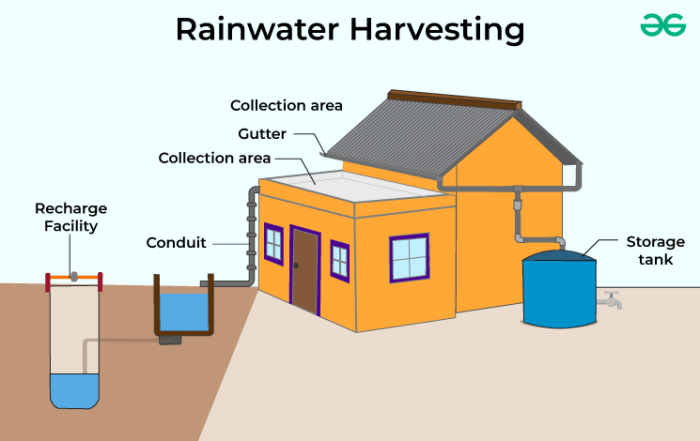
Rainwater harvesting systems offer a sustainable approach to water management in residential settings. By capturing and using rainwater, homeowners can reduce their reliance on municipal water sources, lower utility bills, and contribute to environmental conservation. This method not only helps in managing stormwater but also promotes self-sufficiency in water usage.The essential components of a rainwater harvesting system include the catchment area, conveyance system, storage tanks, and filtration and treatment systems.
The catchment area is typically the roof of the house, which collects rainwater. This water then flows through gutters and downspouts, where it’s conveyed through pipes to a storage tank. The storage tank is where the water is held until it is needed. To ensure the water is clean and safe for use, filtration systems are often incorporated, which remove debris and contaminants.
Depending on the intended use of the harvested rainwater, additional treatment processes may be required to purify the water further.
Benefits of Incorporating Rainwater Harvesting Systems
Incorporating rainwater harvesting systems in new home constructions presents numerous advantages. Not only does it contribute to sustainable living practices, but it also offers economic and practical benefits. These benefits include:
- Cost Savings: Reduced water bills due to decreased reliance on municipal water sources.
- Environmental Impact: Helps in reducing stormwater runoff, which can lead to decreased flooding and erosion.
- Self-Sufficiency: Provides an independent water supply for irrigation, toilets, and, in some cases, drinking water.
- Increased Property Value: Homes with rainwater harvesting systems are often seen as more attractive due to their sustainable features.
Moreover, rainwater harvesting systems can enhance a home’s resilience against water shortages, especially in areas prone to drought. By utilizing rainwater, homeowners can contribute to the conservation of local water resources, making a positive impact on their community.
Maintenance Requirements for Residential Rainwater Systems
Proper maintenance is crucial to ensure the longevity and efficiency of residential rainwater harvesting systems. Regular upkeep not only maximizes water quality but also extends the lifespan of the components involved. The essential maintenance tasks include:
- Regular Inspection: Check all components of the system, including gutters, downspouts, and storage tanks, for signs of wear or damage.
- Cleaning: Regularly clean gutters and filters to prevent clogs and ensure optimal water flow.
- Water Quality Testing: Conduct periodic tests on the collected water to ensure it meets safety standards, particularly if it is intended for potable use.
- Tank Maintenance: Inspect and clean the storage tank annually to remove sediment and prevent algae growth.
Each of these tasks plays a vital role in maintaining the system’s efficiency and effectiveness. Properly maintained rainwater harvesting systems can provide homeowners with a reliable and sustainable water source for many years.
Integration with Real Estate Practices
The growing awareness of sustainability is shifting how real estate operates, particularly with features like rainwater harvesting systems. These systems are not just beneficial for the environment; they also provide significant selling points for eco-friendly homes. Real estate agents can leverage this trend to effectively market properties, enhance their appeal, and potentially increase property values.Rainwater harvesting plays a crucial role in the green real estate market by promoting resource efficiency and sustainability.
Properties equipped with these systems are often seen as more desirable due to their lower environmental impact and operational costs. Moreover, the integration of such systems can lead to an increase in property values as buyers increasingly prioritize eco-friendly living options. This shift is supported by various studies showing that sustainable homes can command higher prices and sell faster than traditional properties.
Highlighting Rainwater Harvesting in Real Estate Listings
To effectively market properties with rainwater harvesting systems, real estate agents can adopt a targeted strategy that emphasizes the benefits of these features. This approach should include:
- Education and Awareness: Provide potential buyers with detailed information about how rainwater harvesting systems work, their benefits, and their impact on utility costs. This helps buyers understand the value proposition.
- Environmental Benefits: Highlight the eco-friendly aspects, such as reduced water consumption and lower carbon footprints, which resonate well with environmentally-conscious buyers.
- Financial Incentives: Mention any available tax rebates, grants, or incentives for properties with rainwater harvesting systems, making them more attractive financially.
- Visual Marketing: Use high-quality images or videos showcasing the rainwater harvesting system, such as the catchment areas, storage tanks, and usage in gardens. A well-presented visual representation can significantly enhance interest.
- Testimonials and Case Studies: Share success stories or testimonials from homeowners who have benefited from using rainwater harvesting systems, including savings and sustainability impacts.
Incorporating these elements into real estate listings not only highlights the property’s unique features but also creates a narrative that connects with the growing market demand for sustainable living spaces. By effectively marketing rainwater harvesting systems, agents can position themselves ahead of competitors and attract a broader range of buyers looking for eco-conscious homes.
Financial Considerations and Incentives
Installing a rainwater harvesting system can not only promote sustainable living but also offer significant financial benefits for homeowners. Understanding the various financial incentives, tax rebates, and long-term savings can greatly influence the decision to adopt this eco-friendly practice. This section delves into the important financial aspects of rainwater harvesting systems, highlighting potential incentives and cost-saving advantages.
Available Financial Incentives and Tax Rebates
Several financial incentives and tax rebates are available for homeowners looking to install rainwater harvesting systems. These programs can help offset the initial costs and encourage more sustainable practices. Here are some notable options:
- Federal Tax Credit: Homeowners may qualify for a federal tax credit for the installation of rainwater harvesting systems, which can provide a percentage of the installation cost back during tax season.
- State and Local Grants: Many states and municipalities offer grants to encourage the installation of rainwater systems. These grants can significantly reduce upfront expenses.
- Utility Rebates: Some water utility companies provide rebates for reducing demand on the water supply. Homeowners installing rainwater systems may receive cash back or credits on their utility bills.
- Property Tax Reductions: In certain regions, the installation of a rainwater harvesting system may result in property tax reductions, acknowledging the environmentally friendly improvements made to the property.
Long-Term Cost Savings of Rainwater Systems
Implementing a rainwater harvesting system can lead to substantial long-term cost savings compared to conventional water supply methods. By collecting and utilizing rainwater for non-potable uses, homeowners can reduce their dependence on municipal water sources, leading to lower utility bills. Key points of comparison include:
- Reduced Water Bills: Homeowners can save up to 50% on their water bills by utilizing rainwater for irrigation, toilet flushing, and laundry.
- Decreased Stormwater Management Costs: Rainwater systems can mitigate stormwater runoff, potentially lowering costs related to stormwater management fees imposed by municipalities.
- Longer Lifespan of Infrastructure: Reduced reliance on treated water decreases wear and tear on plumbing and irrigation systems, potentially extending their lifespan and reducing maintenance costs.
Budget Planning for Rainwater Harvesting Systems
When considering the installation of a rainwater harvesting system, creating a comprehensive budget is essential for homeowners to understand the total financial commitment involved. Here’s a breakdown of potential costs associated with both initial setup and ongoing maintenance:
| Cost Item | Estimated Cost |
|---|---|
| System Components (tanks, filters, pumps) | $1,500 – $5,000 |
| Installation Labor | $500 – $2,000 |
| Permits and Fees | $100 – $500 |
| Maintenance (annual) | $100 – $300 |
“Investing in a rainwater harvesting system not only supports environmental sustainability but also offers a strong financial return over time through reduced water costs and potential incentives.”
Concluding Remarks
In summary, the implementation of rainwater harvesting systems in housing not only enhances environmental sustainability but also adds value to properties in a competitive real estate market. As homeowners become more conscious of their environmental impact, these systems will continue to play a pivotal role in shaping the future of residential water supply.
Common Queries
What is a rainwater harvesting system?
A rainwater harvesting system collects rainwater from roofs and stores it for later use, such as irrigation or household purposes.
How much water can a rainwater harvesting system collect?
The amount of water collected depends on the roof size and rainfall levels; a typical home can gather thousands of liters in a single rain event.
Is rainwater safe to use for drinking?
With proper filtration and treatment, rainwater can be made safe for drinking, but local regulations should be consulted.
What maintenance is required for rainwater harvesting systems?
Regular cleaning of gutters, filters, and tanks is essential to ensure the system’s efficiency and longevity.
Are there financial incentives for installing these systems?
Many governments offer tax rebates and incentives to homeowners who install rainwater harvesting systems, making them more affordable.


