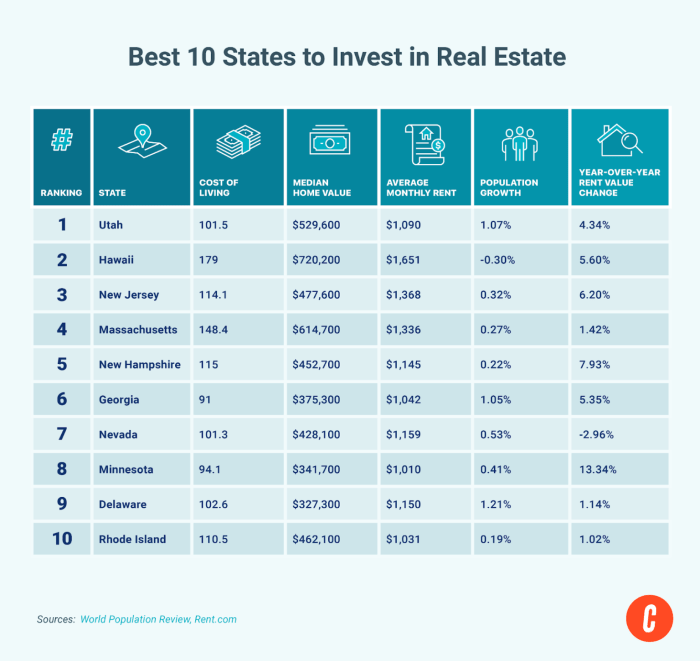
Exploring the Best cities to invest in real estate reveals a dynamic landscape ripe with opportunity for savvy investors. Whether you’re a seasoned pro or just starting out, understanding the unique factors that make certain cities ideal for real estate investment can help you maximize your returns.
From thriving economies to emerging demographic trends, various elements play a crucial role in determining which urban centers are set to flourish in the real estate market. This overview will help you navigate the complexities of choosing the right location to plant your investment seeds.
Best Cities for Real Estate Investment

Investing in real estate requires careful consideration of various factors, including market trends, economic stability, and demographic shifts. Identifying the best cities for real estate investment can significantly enhance an investor’s potential for substantial returns. In this discussion, we will explore several cities that are currently standing out in the real estate market due to their favorable conditions for investment.Economic factors are crucial in determining a city’s viability for real estate investment.
A robust economy often leads to job growth, increasing demand for housing, and higher property values. Key indicators of economic health include employment rates, income growth, and the presence of diverse industries. Cities with strong economic foundations tend to attract a steady influx of residents, which in turn drives up housing demand and, ultimately, property prices.
Top Cities for Real Estate Investment
Several cities have emerged as exceptional choices for real estate investment, driven by economic growth, population increase, and favorable market conditions. Below are some of these cities, each with unique factors that contribute to their attractiveness for investors:
- Austin, Texas
-Known for its booming tech sector and vibrant culture, Austin has experienced rapid population growth, leading to increasing housing demand. The city’s economic diversification and strong job market make it a top contender for investors. - Raleigh-Durham, North Carolina
-This region benefits from a high concentration of educational institutions and research facilities, creating a skilled workforce. Its steady growth in the tech and healthcare industries has led to a strong real estate market. - Boise, Idaho
-Boise has seen a surge in population due to its affordability and quality of life. The city’s outdoor lifestyle attracts many new residents, while its growing economy supports a thriving housing market. - Denver, Colorado
-With its strong economy, beautiful scenery, and outdoor activities, Denver has become a magnet for young professionals. The city’s housing market continues to grow due to high demand and limited inventory. - Tampa, Florida
-Tampa’s favorable tax climate, coupled with its warm climate and coastal location, makes it an attractive destination for both residents and investors. The city’s economy is supported by tourism, healthcare, and finance sectors.
Demographic trends also play an integral role in influencing real estate demand. Factors such as age distribution, migration patterns, and household formation rates affect how properties are bought and sold. The influx of millennials entering the housing market, for example, is reshaping demand for urban living spaces and rental properties. Additionally, cities that attract retirees often see a spike in demand for single-family homes and low-maintenance properties, reflecting the lifestyle preferences of older adults.
“Understanding the interplay between economic indicators and demographic trends is essential for making informed real estate investment decisions.”
Types of Real Estate Investments
Investing in real estate can open doors to numerous opportunities, each with its own set of characteristics, risks, and rewards. Understanding the various types of real estate investments is crucial for making informed decisions. This section delves into the distinctions between residential and commercial real estate, the advantages of condominiums compared to single-family homes, and the potential of foreclosure properties as investment options.
Differences Between Residential and Commercial Real Estate Investments
Real estate investments primarily fall into two categories: residential and commercial. Each type serves different markets and comes with unique dynamics. Residential real estate includes properties intended for living, such as single-family homes, condominiums, and multi-family units. These investments typically appeal to individual buyers or renters and often experience steady demand. Commercial real estate encompasses properties used for business purposes, including office buildings, retail spaces, and warehouses.
These investments tend to generate higher income potential, as they often come with longer lease terms and more significant cash flow opportunities.Overall, while residential properties are generally seen as safer investments due to consistent demand, commercial properties can yield higher returns if managed effectively.
Benefits of Investing in Real Estate Condominiums Versus Single-Family Homes
When comparing condominiums to single-family homes, each offers distinct advantages that cater to different investment strategies.
Lower Maintenance
Condominiums usually come with homeowners’ associations (HOAs) that handle external maintenance and repairs. This can significantly reduce the burden on investors compared to single-family homes, which require full responsibility for upkeep.
Amenities
Many condominiums offer shared amenities such as pools, gyms, and security services, making them attractive to potential renters.
Location
Condominiums are often located in urban areas where demand is high, providing access to public transportation and local businesses.In contrast, single-family homes may offer more appreciation potential over time, particularly in family-oriented neighborhoods. Investors should weigh these factors based on their individual goals and market conditions.
Real Estate Foreclosures as Lucrative Investment Opportunities
Real estate foreclosures can present profitable investment opportunities for those willing to navigate the complexities of distressed properties. Investing in foreclosures allows buyers to acquire properties below market value, often leading to significant equity gains. The process usually involves purchasing properties that have been repossessed by lenders due to unpaid mortgages. Key advantages of investing in foreclosures include:
Lower Purchase Prices
Properties in foreclosure are often sold at a discount, which can lead to higher return on investment once the property is renovated and sold or rented out.
Less Competition
Many investors shy away from foreclosures due to the perceived risks, allowing savvy investors to find hidden gems in the market.
Potential for Value-Added Improvements
Many foreclosures require renovations, enabling investors to increase the property’s value through improvements.
“Buying a foreclosure can be a rewarding challenge, offering substantial returns for those who are prepared to invest time and resources.”
By understanding the nuances of each type of real estate investment, investors can align their strategies with their financial goals and risk tolerance, ultimately leading to more informed decisions in the dynamic world of real estate.
Strategies for Successful Real Estate Investing
Investing in real estate can be a lucrative venture when approached with the right strategies. Understanding the intricacies of property investment allows investors to maximize their returns while minimizing risks. This section will explore essential strategies, including building a home as an investment, effective home staging techniques, and the importance of choosing the right real estate agents and realtors.
Building a Home as an Investment
Constructing a home for investment purposes involves a strategic approach that safeguards your financial interests. Here’s a step-by-step guide that Artikels key considerations and actions to take throughout the process:
1. Research the Market
Analyze local housing trends, demographics, and economic indicators. This informs your decision on location and property type.
2. Create a Budget
Artikel all costs associated with building a home, including land acquisition, construction, permits, and unexpected expenses. Ensure you have a contingency fund.
3. Select a Suitable Lot
Choose a location with growth potential. Consider proximity to schools, employment centers, and amenities that appeal to future buyers or renters.
4. Hire a Qualified Architect/Builder
Collaborate with professionals who have a solid track record. Their expertise can help you navigate design choices and construction challenges.
5. Plan Your Design Wisely
Focus on functionality and appeal. Open floor plans, energy-efficient features, and quality materials can attract buyers and enhance resale value.
6. Obtain Necessary Permits
Ensure compliance with local zoning laws and building codes to avoid legal issues that could arise from non-compliance.
7. Monitor Construction Progress
Regularly visit the site to check on the construction status, ensuring that the project stays on schedule and within budget.
8. Finalize Marketing Plans
Prepare a strategy for selling or renting the property once construction is complete, including professional photography and listings on relevant real estate platforms.
Home Staging Techniques to Enhance Property Value
Effective home staging can significantly increase the attractiveness of a property to potential buyers. Staging creates a welcoming environment that allows buyers to envision themselves living in the home. Here are some tried-and-true methods to enhance property value through staging:
Declutter and Depersonalize
Remove personal items and excess furniture to create a spacious feel, allowing buyers to imagine their own belongings in the space.
Highlight Key Features
Use furniture arrangements that emphasize attractive architectural elements or views. For example, position seating to showcase a fireplace or a scenic window.
Use Neutral Colors
Paint walls in soft, neutral tones to appeal to a broader audience. This creates a canvas that buyers can easily envision personalizing.
Incorporate Natural Light
Open drapes and blinds to let in natural light, which can make spaces feel larger and more inviting.
Add Curb Appeal
First impressions matter; enhance exterior spaces with well-maintained landscaping, fresh paint, and clean walkways.
Create Inviting Spaces
Set up cozy areas, such as a reading nook or outdoor seating, to help buyers visualize living in the home.
Importance of Selecting the Right Real Estate Agents and Realtors
Choosing the right real estate agent can be a game-changer in your investment journey. A knowledgeable and experienced realtor not only brings expertise but also a network of resources that can benefit your investment strategy. Key factors to consider include:
Experience and Track Record
Look for agents who have successfully closed deals in your target market. Their local knowledge can guide you through pricing, trends, and negotiations.
Strong Communication Skills
A good agent keeps you informed and is available to answer your questions, ensuring a smooth transaction process.
Market Knowledge
Agents with insights on upcoming neighborhoods or market fluctuations can provide a competitive edge in identifying lucrative opportunities.
Professional Network
Well-connected agents can recommend trusted professionals for inspections, appraisals, and renovations, all of which are crucial during the investment process.
Client Reviews and Testimonials
Research feedback from past clients to gauge an agent’s effectiveness and reliability.By strategically navigating the real estate landscape, investors can significantly enhance their chances of success, whether through building new properties, staging homes, or collaborating with the right professionals.
Summary
In summary, identifying the Best cities to invest in real estate requires careful consideration of market trends and economic conditions. By understanding the landscape, types of investments available, and strategies for success, you can make informed decisions that enhance your portfolio’s potential.
Q&A
What factors should I consider when choosing a city?
Look at economic growth, job opportunities, population trends, and housing demand to gauge a city’s investment potential.
Is it better to invest in residential or commercial real estate?
It depends on your investment goals; residential properties often provide steady cash flow, while commercial can yield higher returns.
How can I determine if a property is a good investment?
Analyze location, price trends, rental demand, and potential for appreciation before making a purchase.
What role do real estate agents play in investing?
Real estate agents can provide market insights, help you locate properties, and negotiate deals effectively.
Are foreclosures a safe investment option?
While they can offer great deals, foreclosures often come with risks and require thorough research and due diligence.