
Buying a foreclosure home can be an exciting venture for those looking to snag a great deal in real estate. With the potential for lower purchase prices and the opportunity for investment, understanding the intricacies of the foreclosure process is essential. Whether you’re a first-time buyer or a seasoned investor, navigating through the challenges of these properties can lead to rewarding outcomes.
This guide will break down the essential steps to buying a foreclosure home, from understanding the foreclosure process itself to the ins and outs of financing and working with real estate professionals. Armed with the right knowledge, you can confidently approach your purchase and make informed decisions along the way.
Understanding Foreclosure Homes
Purchasing a foreclosure home can be an appealing opportunity for many homebuyers, especially those seeking a bargain. However, understanding the intricacies of the foreclosure process is essential to making an informed decision. This section breaks down the foreclosure process, the benefits and risks involved, and the detailed stages of a foreclosure sale.Foreclosure is a legal process whereby a lender seeks to recover the balance of a loan from a borrower who has stopped making payments.
This process directly impacts homeownership, as it results in the loss of the property by the homeowner, leading to its eventual sale at a public auction or through real estate listings. Understanding these implications is crucial for potential buyers.
Benefits and Risks of Purchasing a Foreclosure Home
Purchasing a foreclosure home comes with unique advantages and potential pitfalls. Knowing these can guide buyers in their journey.The benefits include:
- Lower Purchase Price: Foreclosure properties are often sold below market value, allowing buyers to get more property for their money.
- Potential for Equity: Buying a foreclosed home at a lower price can lead to instant equity, especially if the property is in good condition.
- Investment Opportunities: Investors may find foreclosure homes appealing for flip projects or long-term rentals, capitalizing on the lower buying costs.
Conversely, the risks are significant:
- Property Condition: Many foreclosures are sold “as-is,” meaning buyers may face unexpected repairs and costs.
- Complicated Transactions: The purchasing process can be more complex due to the involvement of banks and potential legal issues.
- Competition: Attracting bids from multiple buyers can drive the price back up, reducing the expected bargain.
Stages of a Foreclosure Sale
The foreclosure process unfolds in several stages, each critical for understanding how the sale occurs.
1. Pre-Foreclosure
This stage begins when a homeowner defaults on mortgage payments, and the lender issues a notice of default. Homeowners have the chance to rectify their payment issues or sell the house to avoid foreclosure.
2. Auction
If the homeowner fails to resolve the default, the property is sold at a public auction. The lender sets a minimum bid amount, and potential buyers can bid on the property.
3. Post-Auction
If the property does not sell at auction, it becomes Real Estate Owned (REO) by the lender. The lender then lists the property for sale, often through real estate agents.
4. Closing
Once a buyer is found, the closing process begins, which involves inspections, negotiations, and finalizing the sale paperwork.
The foreclosure process involves multiple phases that can significantly affect buyers; understanding these can lead to more informed decisions and better investment outcomes.
The Buying Process for Foreclosures
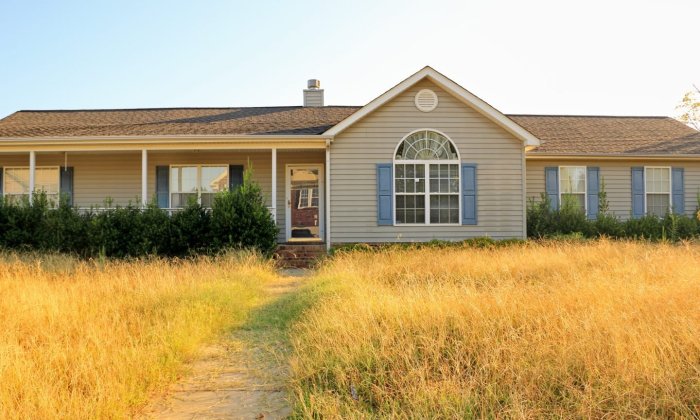
Purchasing a foreclosure home can seem daunting, but understanding the buying process can make it manageable and even rewarding. This guide Artikels the critical steps involved, the necessary paperwork, and financing options specifically tailored for foreclosure properties.The buying process for foreclosure homes generally follows a structured path that each buyer should be aware of. Familiarizing oneself with these steps can facilitate a smoother transaction and help avoid common pitfalls associated with buying distressed properties.
Below, key steps in the buying process are highlighted, including research, bidding, and finalizing the purchase.
Steps Involved in the Buying Process
The buying process for a foreclosure home involves several essential steps. Each step contributes to a successful purchase and helps ensure that potential buyers are making informed decisions.
- Research Available Properties: Start by searching for foreclosure listings in your desired area. Websites like RealtyTrac, Zillow, or local government auction sites often provide comprehensive listings.
- Visit Properties: Schedule visits to inspect the properties. This allows you to assess the condition and determine if it’s worth pursuing.
- Obtain Financing Pre-Approval: Before making an offer, secure pre-approval from a lender. This shows sellers you are a serious buyer and can expedite the process.
- Make an Offer: Submit an offer to the bank or lender managing the foreclosure. Offers may need to be competitive, depending on the local market.
- Conduct Due Diligence: After your offer is accepted, perform thorough inspections and necessary evaluations of the property.
- Close the Sale: Once inspections are satisfactory and financing is in place, proceed to the closing process, which involves signing necessary documents and transferring funds.
Necessary Documents and Paperwork
Throughout the buying process, having the correct documentation is crucial. Below are the key documents typically required when purchasing a foreclosure.A comprehensive understanding of the paperwork involved can streamline your transaction. Essential documents include:
- Purchase Agreement: A legal document outlining the terms of the sale between you and the lender.
- Financing Documents: These include loan applications, pre-approval letters, and any additional documents required by your lender.
- Disclosure Statements: Sellers (lenders) may provide disclosures concerning the property’s condition and history.
- Proof of Funds: Documentation that shows you have the financial capacity to complete the purchase, often required for cash offers.
- Inspection Reports: Any reports obtained from home inspections that can provide insight into the property’s condition.
Financing Options for Foreclosure Properties
Financing a foreclosure can differ from purchasing a standard home, as some lenders offer specific loan products designed for distressed properties. Understanding these financing options can maximize your purchasing power.There are several financing avenues available for foreclosure purchases:
- Conventional Loans: Standard loans offered by banks and credit unions. These may require a higher credit score and down payment.
- FHA Loans: The Federal Housing Administration provides loans for buying homes, including foreclosures, with lower down payment requirements.
- VA Loans: Veterans Affairs loans can be a great option for eligible veterans looking to purchase foreclosure properties, offering competitive rates and no down payment.
- Hard Money Loans: Short-term loans that can be secured quickly, often used for investment properties or when quick cash is needed.
- Rehabilitation Loans: Programs like FHA 203(k) allow buyers to finance both the purchase price and rehabilitation costs into one mortgage.
Understanding your financing options is essential for making a successful purchase and ensuring the long-term viability of your investment.
Working with Real Estate Professionals
Navigating the foreclosure buying process can be complex, making the involvement of real estate professionals invaluable. Their expertise not only streamlines the process but also provides critical insights into the nuances of purchasing a foreclosure. Understanding how to work with these professionals can make a significant difference in your experience and outcome.The role of real estate agents and realtors in the foreclosure buying process is pivotal.
They help buyers identify properties, navigate paperwork, and negotiate with lenders. These professionals bring knowledge about the local market and can provide guidance on potential renovations or repairs needed for a foreclosure property. Their experience in handling foreclosures ensures that buyers are aware of any pitfalls and can make informed decisions.
Selection of a Qualified Real Estate Agent Specializing in Foreclosures
Choosing the right real estate agent is crucial to the success of your foreclosure purchase. A qualified agent has specific knowledge and experience that can significantly impact your buying journey. When selecting an agent, consider the following factors:
- Specialization in Foreclosures: Look for agents who specifically mention their experience and success with foreclosure properties. Their familiarity with this niche market will provide you with a competitive edge.
- Track Record: Investigate the agent’s history of selling foreclosures. Ask for references and examples of past transactions to gauge their effectiveness.
- Local Market Knowledge: A good agent should have in-depth knowledge of the neighborhoods you are interested in, including recent sales data and market trends.
- Communication Skills: Choose an agent who communicates clearly and frequently. You want someone who will keep you updated and respond promptly to your questions.
- Negotiation Experience: Effective negotiation is key in purchasing a foreclosure. Ensure your agent has a proven track record in negotiating favorable terms with banks and lenders.
Negotiating with Banks or Lenders
When it comes to negotiating the purchase of a foreclosure, buyers should employ strategic tactics. Understanding the lender’s position and motivations can lead to better outcomes. Here are some tips for effective negotiation:
- Research the Property: Gather information on the property’s history, previous sales prices, and any outstanding liens. This knowledge empowers you during negotiations.
- Understand the Market Conditions: Familiarize yourself with current market trends to determine a fair offer. If the market is slow, lenders may be more willing to negotiate on price.
- Be Prepared for Counteroffers: Enter negotiations with flexibility. Be ready to adjust your offer based on the lender’s response and find common ground.
- Know When to Walk Away: If the deal does not meet your criteria or if the lender is unyielding, it’s important to know when to step back and look for other opportunities.
- Utilize Your Agent’s Expertise: Lean on your real estate agent to guide you through the negotiation process. Their skills and experience can help you achieve a favorable outcome.
Last Point
In conclusion, buying a foreclosure home can indeed be a fruitful endeavor if approached with the right mindset and preparation. By understanding the foreclosure process, knowing the buying steps, and collaborating with knowledgeable real estate agents, you position yourself for success in the housing market. Embrace the journey with an informed perspective, and you may just find the perfect property at an unbeatable price.
Helpful Answers
What is a foreclosure home?
A foreclosure home is a property that has been repossessed by a lender after the owner failed to make mortgage payments.
Are foreclosure homes in bad condition?
Not always, but many may require repairs or renovations since previous owners may have neglected maintenance during financial difficulties.
Can I finance a foreclosure home?
Yes, financing options are available, but it’s essential to check with lenders for specific requirements regarding foreclosure properties.
How do I find foreclosure listings?
You can find listings through real estate websites, local MLS services, or by contacting real estate agents who specialize in foreclosures.
What are the risks of buying a foreclosure home?
Risks include potential hidden repair costs, liens on the property, and the possibility of a lengthy buying process.


