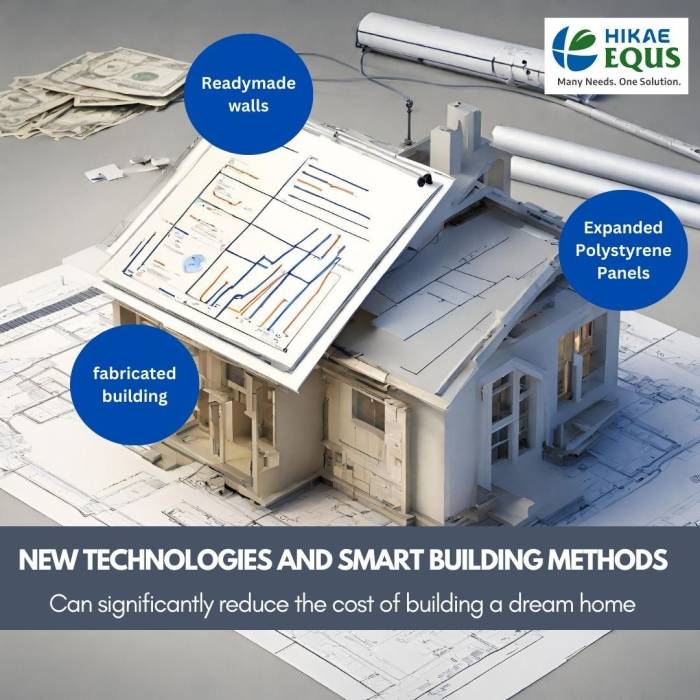
Home construction cost-saving tips are essential for anyone looking to build their dream house without breaking the bank. From negotiating with contractors to selecting the right materials, these insights can significantly impact your overall budget. It’s not just about cutting costs; it’s about making informed choices that lead to a sustainable and economical home.
Understanding the various strategies available can empower you to make smarter decisions throughout the construction process. Whether you’re a first-time builder or an experienced homeowner, implementing these tips can help you achieve your goals while staying within your financial limits.
Home Construction Cost-Saving Strategies

Building a home can often feel like a monumental task, especially when it comes to managing costs. However, there are various strategies you can implement that can significantly reduce expenses without compromising quality. By focusing on material costs, negotiating effectively with contractors, and planning meticulously, you can keep your construction budget in check.One of the most effective ways to lower your home construction costs is through careful selection and procurement of materials.
Exploring options for bulk purchasing, selecting alternative materials, and considering local suppliers can lead to substantial savings. Additionally, understanding the pros and cons of various building materials can help you make informed choices that align with both your aesthetic and financial goals.
Reducing Material Costs
The selection of materials plays a crucial role in the overall budget of your home construction project. Here are some methods to consider when aiming to cut costs:
- Research Alternative Materials: Look into less traditional materials that may offer durability and aesthetic appeal at a lower price point. For instance, reclaimed wood and steel can often be more affordable than new timber and offer unique design elements.
- Buy in Bulk: Purchasing materials in larger quantities can lead to discounts from suppliers. If possible, coordinate with your contractor to understand what materials can be bought in bulk to save on costs.
- Local Sourcing: Consider sourcing materials locally to cut down on transportation costs. Additionally, local suppliers may have promotional offers that can save you money.
- Negotiate Pricing: Don’t hesitate to negotiate prices with suppliers. Many are open to discussions, especially if you are making a significant purchase.
“Choosing the right materials not only enhances the beauty of your home but can also keep your construction budget intact.”
Negotiating with Contractors
Negotiation is an essential skill in managing your home construction budget effectively. Establishing a good rapport with contractors can lead to better pricing and flexible terms. Here are some strategies to consider:
- Get Multiple Quotes: Always obtain quotes from several contractors. This provides a baseline for negotiation and helps you identify competitive pricing.
- Be Clear About Your Budget: Communicate your budget constraints openly to potential contractors. They may be able to suggest adjustments or alternatives that align with your financial limits.
- Discuss Payment Terms: Negotiating payment terms can help ease cash flow during the construction process. Consider proposing milestone payments tied to specific project phases, which can be beneficial for both parties.
- Build Relationships: Foster a good working relationship with your contractor. A positive rapport can often lead to discounts, better service, and a commitment to stay within budget.
Importance of Planning and Budgeting
Effective planning and budgeting are fundamental in avoiding unexpected expenses during construction. A well-defined plan acts as a roadmap for the entire building process. Here are key points to consider:
- Detailed Budgeting: Create a comprehensive budget that Artikels all anticipated costs, including materials, labor, permits, and contingencies. This helps identify potential overspending before it occurs.
- Timeline Creation: Develop a realistic construction timeline that accounts for delays. This can prevent rushed decisions that may lead to higher costs.
- Regular Review: Regularly review your budget against actual expenses. This helps in identifying areas where costs may be increasing and allows for timely adjustments.
- Contingency Fund: Always allocate a contingency fund (typically around 10-15% of the overall budget) for unforeseen expenses that may arise during construction.
“A well-planned budget is your best defense against unexpected costs.”
Role of Real Estate Agents in Cost Management
Real estate agents play a pivotal role in assisting home buyers navigate the complexities of property transactions, especially when it comes to cost management. They are not just salespeople; they are knowledgeable professionals who understand the intricacies of the housing market. By leveraging their expertise, buyers can make informed decisions that lead to significant savings.One of the most valuable contributions of real estate agents is their ability to identify cost-effective properties.
They have access to extensive databases and local market insights that are not readily available to the average buyer. This allows them to pinpoint homes that are reasonably priced and have potential for appreciation, ultimately helping buyers avoid overpaying. Agents are also skilled in evaluating comparable properties to ensure that their clients are getting the best value for their investment.
Understanding the True Costs of Home Ownership
Real estate agents play a crucial role in helping buyers understand the comprehensive financial implications of home ownership beyond the initial purchase price. This includes factors such as property taxes, insurance, maintenance costs, and potential homeowner association fees. By providing detailed breakdowns and realistic estimates, agents help buyers prepare for the long-term financial commitments of owning a home.It’s essential for buyers to be aware of these additional costs, as they can significantly affect overall affordability.
An informed buyer is more empowered to budget effectively and avoid financial strain. For example, a home may seem affordable at first glance, but with rising property taxes and necessary upkeep, the total cost of ownership can increase substantially.
Leveraging Agent Expertise for Better Negotiation Outcomes
The negotiation process can often be daunting for buyers, but real estate agents serve as advocates who help secure favorable terms. Their expertise in understanding market dynamics and buyer psychology equips them with tactics to negotiate effectively with sellers. When negotiating, agents can provide insights on the appropriate offer price based on comparable sales in the area. They can also highlight any repairs or issues that might justify a lower price, thereby ensuring buyers don’t pay more than necessary.
Furthermore, real estate agents are adept at navigating counteroffers, ensuring that communication remains professional and strategic. Their experience in closing deals enables them to anticipate potential obstacles and address them proactively, ultimately leading to a smoother transaction.
“A skilled real estate agent not only helps you find the right home but ensures that you make financial decisions that protect your investment.”
In conclusion, the role of real estate agents in cost management cannot be overstated. They bring invaluable knowledge and negotiation skills that help buyers navigate the complexities of home purchasing while ensuring that they make sound financial decisions. By utilizing their expertise, buyers can achieve greater savings and manage the costs associated with home ownership more effectively.
Green Real Estate as a Cost-Effective Alternative
Investing in green real estate is becoming increasingly popular, not only for its environmental benefits but also for its cost-effectiveness. Building with eco-friendly materials and technologies can lead to significant savings in construction costs, energy bills, and long-term maintenance. As homeowners and builders become more conscious of their environmental impact, the demand for sustainable building practices continues to grow.The integration of green building materials and technologies offers a range of benefits that contribute to both ecological preservation and economic savings.
By utilizing sustainable resources, builders can reduce waste, minimize carbon footprints, and create healthier living environments. Moreover, energy-efficient homes can significantly lower utility costs, making them a wise investment for the future.
Benefits of Investing in Green Building Materials and Technologies
Utilizing green building materials and technologies can lead to multiple advantages for homeowners, including durability, energy savings, and enhanced property value.
- Reduced Energy Consumption: Green materials such as high-efficiency insulation and windows help maintain indoor temperatures, reducing the need for heating and cooling systems.
- Increased Property Value: Homes built with eco-friendly materials often have higher resale values and attract more buyers, particularly those interested in sustainability.
- Improved Indoor Air Quality: Non-toxic materials contribute to healthier living spaces, reducing respiratory issues and enhancing overall well-being.
Government Incentives for Eco-Friendly Home Building
Various government incentives promote the construction of eco-friendly homes, making it financially attractive for builders and homeowners. These incentives can include tax credits, rebates, and grants aimed at reducing the overall cost of green building projects.
- Tax Credits: Homeowners may qualify for federal or state tax credits for installing renewable energy systems, such as solar panels.
- Energy-Efficiency Rebates: Many utility companies offer rebates for energy-efficient appliances and retrofitting homes with energy-saving technologies.
- Grants for Sustainable Development: Some government programs provide grants to encourage the building of eco-friendly homes in specific areas, particularly those affected by environmental degradation.
Long-Term Savings Associated with Energy-Efficient Homes
Investing in energy-efficient homes not only provides immediate comfort and health benefits but also leads to substantial long-term savings. Energy-efficient homes can significantly reduce utility expenses through lower energy consumption.
- Utility Bill Reductions: Homeowners can save an average of 30% on energy bills by implementing energy-efficient solutions, leading to thousands of dollars saved over time.
- Maintenance Cost Savings: Green materials tend to require less upkeep, resulting in lower long-term maintenance costs, thereby increasing the overall value of the investment.
- Increased Longevity of Home Systems: Energy-efficient systems often have longer lifespans, which further reduces costs associated with repairs and replacements.
By investing in green real estate, homeowners not only contribute to environmental sustainability but also enjoy significant financial benefits, creating a win-win situation for both the planet and their wallets.
Last Point
In summary, applying home construction cost-saving tips can lead to not only significant savings but also a more efficient building experience. By being proactive in your planning, negotiating effectively, and considering eco-friendly options, you can create a home that suits your needs without overspending. Embrace these strategies and watch your dream home become a reality without financial strain.
Commonly Asked Questions
What are some ways to reduce material costs?
Consider bulk purchasing, exploring alternative suppliers, and reusing materials whenever possible.
How can I effectively negotiate with contractors?
Research average costs, get multiple quotes, and maintain open communication about your budget and expectations.
What role do real estate agents play in cost management?
They can help identify cost-effective properties and provide insights into the total costs of homeownership.
Are there incentives for building green homes?
Yes, many governments offer tax credits and rebates for using energy-efficient materials and technologies.
How can energy-efficient homes save money long-term?
They often reduce utility bills significantly and may qualify for lower insurance premiums.


