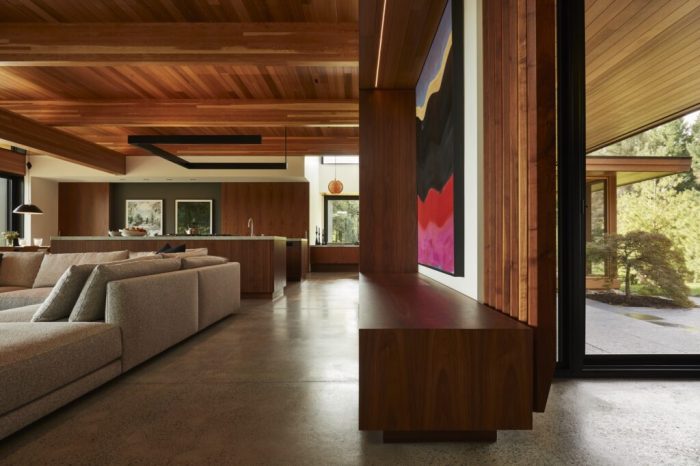
Modern home design ideas 2025 promise to revolutionize the way we think about our living spaces, blending aesthetics with functionality. With a surge in innovative technologies and sustainable practices, this year presents exciting opportunities for homeowners and designers alike.
As we explore the emerging trends, we’ll highlight popular materials, color palettes, and the role of real estate agents in navigating these modern designs. Additionally, the importance of building sustainable homes will be emphasized, showcasing the eco-friendly elements that are becoming essential in contemporary architecture.
Modern Home Design Trends for 2025
As we approach 2025, the landscape of modern home design continues to evolve, reflecting changing lifestyles, environmental concerns, and technological advancements. Homeowners are increasingly seeking designs that combine functionality with aesthetic appeal, prioritizing energy efficiency and smart technology integration. These trends not only enhance the living experience but also contribute to sustainability, making them essential for the modern homeowner.One of the standout trends for 2025 is the emphasis on open-concept spaces that encourage flow and connectivity within the home.
This design philosophy not only maximizes natural light but also fosters a sense of community among family members. Additionally, the use of eco-friendly materials is becoming more prevalent, with organic shapes and textures gaining popularity. The color palettes are shifting towards earthy tones, such as terracotta, olive green, and warm neutrals that create a soothing ambiance.
Materials and Color Palettes in Modern Homes
The choice of materials and color schemes plays a crucial role in defining modern home aesthetics. As homeowners become more environmentally conscious, sustainable materials are gaining traction. The following materials are expected to dominate the landscape in 2025:
- Bamboo: A renewable resource that is both durable and versatile, bamboo is being used for flooring, cabinetry, and furniture.
- Recycled Materials: Items such as glass, metal, and plastic are being repurposed in innovative ways, reducing waste and promoting sustainability.
- Natural Stone: Materials like granite and quartzite provide a timeless elegance and are increasingly used in countertops and facades.
Color palettes are shifting towards softer, nature-inspired hues. The following trends are anticipated to be popular:
- Earthy Tones: Shades of brown, green, and beige evoke a sense of calm, connecting interiors with the natural world.
- Soft Pastels: Light blues, pinks, and yellows add a touch of warmth without overwhelming the senses, making spaces feel inviting.
- Monochromatic Schemes: Utilizing various shades of a single color creates a sophisticated and cohesive look throughout the home.
Innovative Technologies Influencing Home Design
The integration of technology in modern home design is revolutionizing the way we live. As smart home features become more accessible, homeowners are looking for ways to enhance convenience, security, and energy efficiency. Some notable technologies shaping the future of home design include:
- Smart Home Systems: Centralized systems that control lighting, temperature, and security from a single app are becoming standard features in new homes.
- Energy-Efficient Appliances: Appliances with smart technology that optimize energy consumption are increasingly popular, helping households reduce their carbon footprint.
- Home Automation: Features such as automated blinds and smart HVAC systems allow for customizable living environments that adapt to the homeowner’s lifestyle.
- Solar Panels: The use of solar energy is expanding, with innovative designs that integrate panels seamlessly into the architecture of the home.
The fusion of modern design elements, sustainable materials, and cutting-edge technologies is setting the stage for a new era in home design as we move into 2025. This evolution reflects not only a desire for beauty and comfort but also a commitment to creating spaces that are environmentally responsible and technologically advanced.
The Role of Real Estate Agents in Modern Home Buying
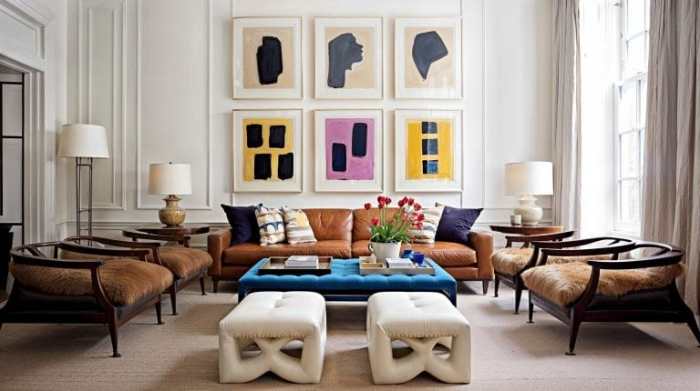
In today’s rapidly evolving housing market, real estate agents have become indispensable allies for prospective home buyers. Their expertise is particularly valuable when navigating the complexities of modern home designs, which often reflect current trends and innovations in architecture and interior design. Understanding the nuances of contemporary properties allows agents to better serve their clients in finding homes that not only meet their practical needs but also resonate with their aesthetic preferences.The importance of real estate agents extends beyond mere property listings; they play a crucial role in helping buyers understand the market landscape.
With their in-depth knowledge of current trends, agents can guide buyers towards homes that embody the latest design principles. This guidance is especially important in a market where preferences can shift rapidly, making it essential for buyers to stay informed about what contemporary homes offer.
Finding Real Estate Agents Specializing in Contemporary Properties
Finding a real estate agent who specializes in modern home designs requires some research and consideration. Here are effective methods for identifying agents with expertise in contemporary properties:
Online Search Platforms
Websites dedicated to real estate often feature agent profiles. Buyers can filter searches based on specialties, allowing them to find agents who focus on modern homes.
Social Media
Many agents promote their listings and expertise on platforms like Instagram and Facebook. Following local real estate accounts can reveal agents with a keen eye for contemporary design.
Referrals
Asking friends, family, or colleagues for recommendations can lead to discovering agents who have successfully assisted buyers in finding modern homes.
Real Estate Associations
Local and national real estate associations often provide directories of agents. These resources can help buyers find professionals who have undergone specialized training in modern architecture and design.
Communicating Design Preferences to Realtors
Effectively communicating design preferences to a real estate agent is essential for a successful home search. Buyers should consider the following strategies to ensure their preferences are clearly understood:
Creating a Wishlist
Compiling a list of must-haves and nice-to-haves can help agents grasp the buyer’s priorities. This should include specific design elements such as open floor plans, large windows, and eco-friendly materials.
Utilizing Visual Aids
Sharing images or examples of desired styles can be extremely helpful. Buyers can create a mood board or compile photos from design magazines that reflect their aesthetic.
Discussing Lifestyle Needs
Buyers should articulate how their design preferences align with their lifestyle. For instance, families might prioritize functional spaces, while single professionals may focus on modern aesthetics.
Regular Check-ins
Maintaining ongoing communication with the realtor ensures that both parties remain aligned. Regular updates can help the agent refine their search based on any changing preferences.By leveraging the expertise of real estate agents and clearly communicating their design aspirations, home buyers can navigate the modern housing market more effectively, ultimately leading to a fulfilling homeownership experience.
Building Sustainable Homes for Modern Living
As environmental concerns continue to rise, the focus on sustainable home design has become more pertinent than ever. The modern homeowner is increasingly looking for ways to reduce their carbon footprint while still enjoying the benefits of contemporary architecture. Building sustainable homes not only aligns with eco-friendly practices but also addresses the growing demand for energy-efficient living spaces. Sustainable home design encompasses various elements that significantly reduce environmental impact.
Incorporating these key elements into modern architecture is essential for creating homes that are both functional and eco-conscious.
Key Elements of Green Home Design
Modern architecture integrates several design principles that promote sustainability. These elements include:
- Energy Efficiency: Homes designed with energy-efficient systems, such as high-performance windows and insulation, greatly reduce energy consumption.
- Natural Lighting: Maximizing natural light through strategically placed windows and skylights minimizes reliance on artificial lighting.
- Water Conservation: Implementing systems like rainwater harvesting and low-flow fixtures helps conserve water, making homes more sustainable.
- Indoor Air Quality: Utilizing non-toxic materials and incorporating proper ventilation systems ensure the home’s air quality is healthy and safe.
- Renewable Energy Sources: Installing solar panels and wind turbines contributes to energy independence and reduces reliance on fossil fuels.
- Smart Home Technology: Integrating technology that monitors energy usage can lead to more informed consumption habits and lower utility bills.
Eco-Friendly Materials and Systems for New Constructions
Selecting the right materials is crucial in sustainable home building. Using eco-friendly materials not only addresses environmental concerns but also enhances the durability and aesthetic appeal of homes. The following materials and systems are becoming increasingly popular in modern construction:
- Recycled Materials: Utilizing materials such as reclaimed wood and recycled metal reduces waste and the need for new resources.
- Sustainable Concrete: Innovations like hempcrete and fly ash concrete provide strong, lightweight alternatives that are more environmentally friendly.
- Low-VOC Paints: These paints reduce harmful chemical emissions, contributing to better indoor air quality.
- Insulated Concrete Forms (ICFs): ICFs provide superior insulation and structural integrity, enhancing energy efficiency.
- Green Roofs: Incorporating gardens on rooftops not only improves insulation but also helps manage stormwater runoff.
- Natural Fiber Insulation: Materials like sheep’s wool or cellulose made from recycled paper offer effective thermal and acoustic insulation.
Benefits of Investing in Sustainable Homes
Investing in sustainable homes proves beneficial from a real estate perspective. These homes often have a higher resale value and attract eco-conscious buyers looking for energy efficiency and sustainability. The following advantages highlight why investing in sustainable homes is a wise choice:
- Lower Energy Bills: Sustainable homes typically consume less energy, resulting in reduced monthly utility costs for homeowners.
- Government Incentives: Many regions offer tax credits and incentives for sustainable building practices, making these homes more financially attractive.
- Market Demand: There is a growing demand for green homes, which can lead to quicker sales and potential market appreciation.
- Enhanced Quality of Life: Sustainable features contribute to healthier living environments, improving the overall well-being of occupants.
- Future-Proofing: As environmental regulations become stricter, homes built with sustainability in mind will be well-positioned to meet future standards.
Final Wrap-Up
In conclusion, modern home design ideas for 2025 encapsulate a harmonious blend of style, sustainability, and smart living. By staying informed about the latest trends and collaborating with knowledgeable real estate agents, buyers can make informed decisions that enhance their living environments and contribute positively to the planet.
FAQ Summary
What are the key trends in modern home design for 2025?
Key trends include sustainable materials, smart home technologies, and open-concept layouts that promote space and light.
How can I find a real estate agent who specializes in modern homes?
Look for agents with a strong online presence and reviews specializing in contemporary architecture and modern design.
What eco-friendly materials are popular in modern home construction?
Popular eco-friendly materials include bamboo, recycled steel, and low-VOC paints that reduce environmental impact.
What are the benefits of investing in sustainable homes?
Sustainable homes often lead to lower utility costs, increased property value, and a positive impact on the environment.
How can I communicate my design preferences to my realtor?
Be clear about your style preferences, show examples of designs you like, and discuss your budget and needs openly.


